







48 New Ebola Cases in 24 Hours as DRC Struggles to Trace Contacts
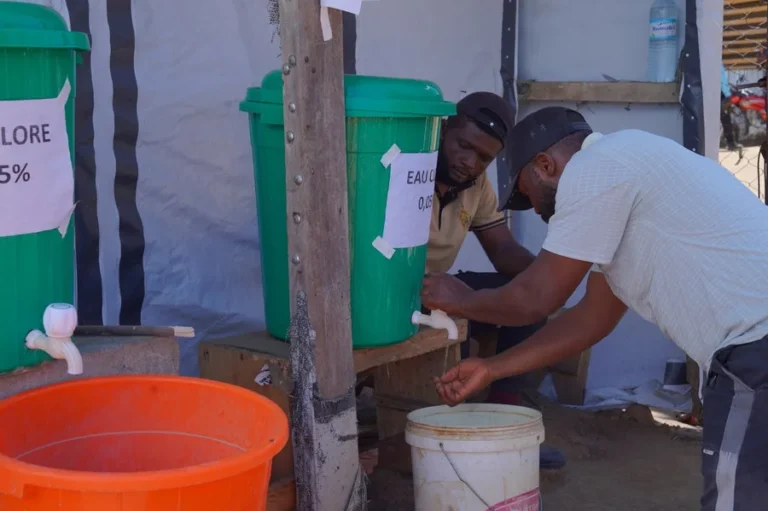
(FILE) A man washes his hand in DRC’s capital, Bunia. Photo: EFE.
June 10, 2026 Hour: 2:44 am
🔗 Comparte este artículo
The Democratic Republic of Congo has confirmed 598 Ebola cases and 115 deaths since the outbreak was declared on May 15 in the eastern province of Ituri, with authorities reporting 48 new infections in the last 24 hours and warning of “continued disease transmission in the community,” according to a statement from the Congolese Ministry of Communication released on social media late Tuesday.
The outbreak, caused by the Bundibugyo strain, which has a natural case fatality rate of 30‑50% and for which no licensed vaccine or specific treatment exists, has now spread to two other eastern provinces: North Kivu (32 cases) and South Kivu (3 cases).
It has also crossed into Uganda, where 19 cases have been detected, 14 of them from the DRC, including two deaths.
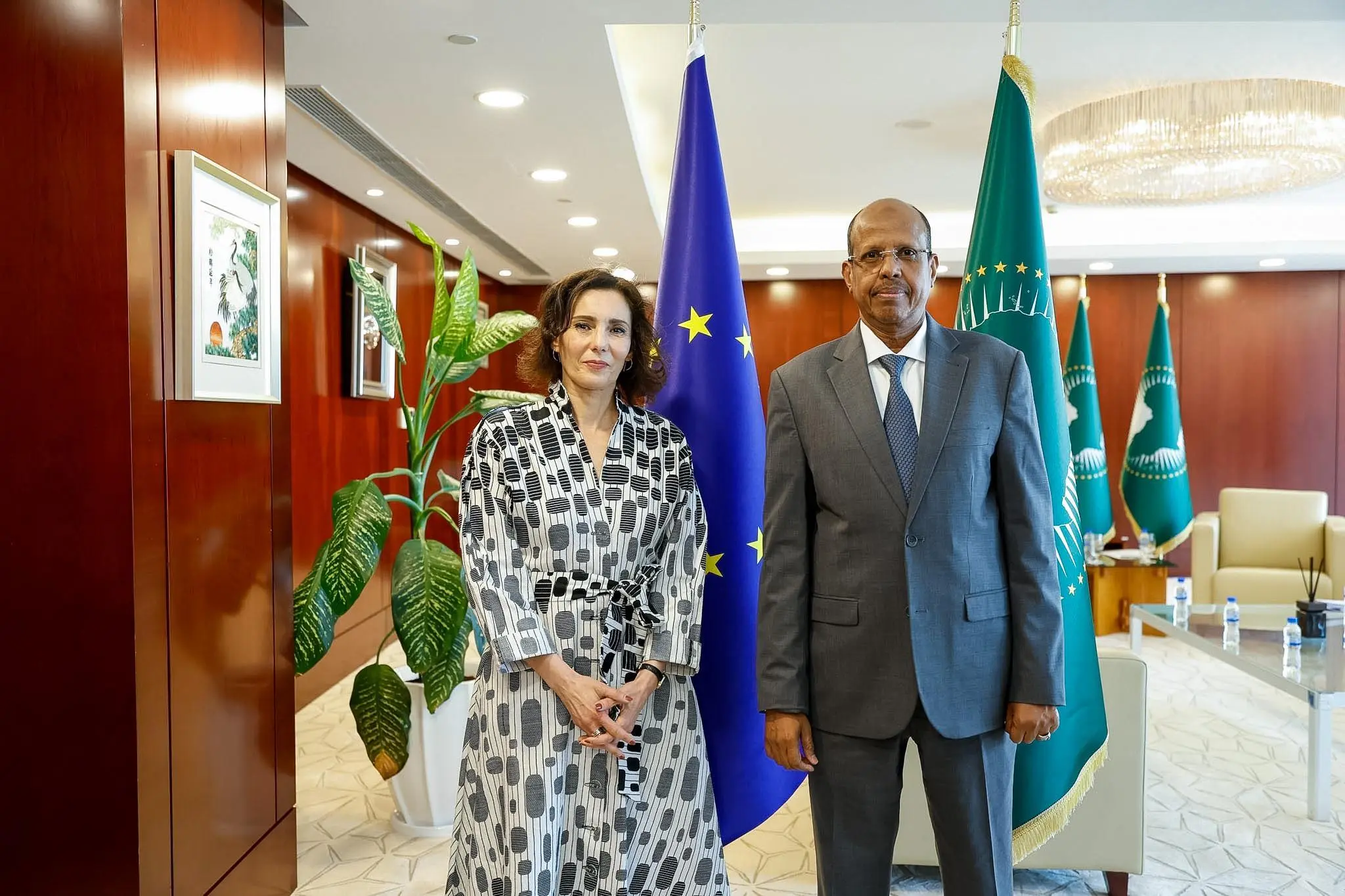
RELATED: EU Pledges €11.5 Million to Africa CDC for Ebola Response in DRC as Death Toll Hits 101
The World Health Organization, which classified the outbreak on May 17 as a public health emergency of international concern, estimates the virus began circulating in Ituri about two months before the official declaration.
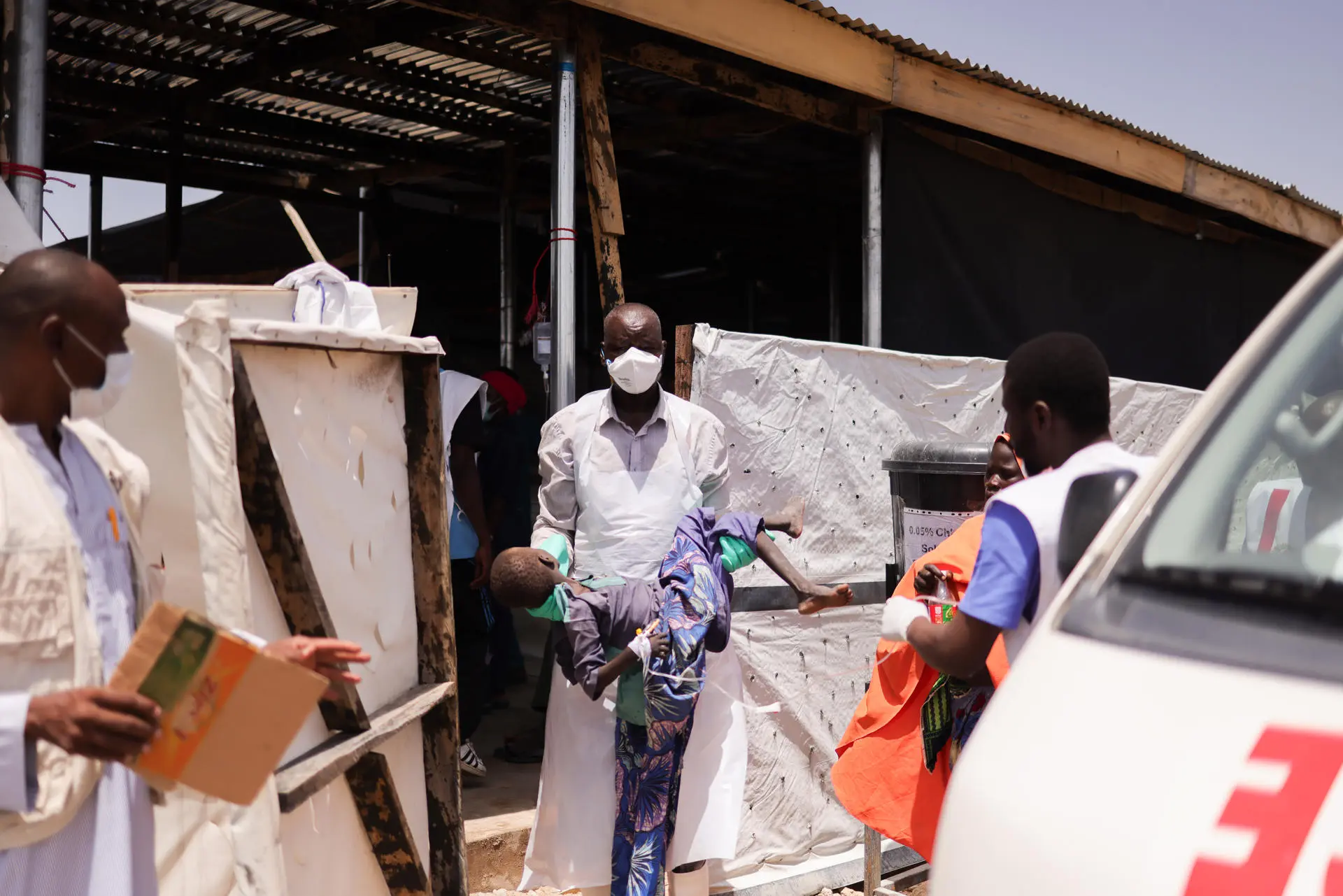
Currently, 297 patients are hospitalized or in isolation, while 22 people have recovered. The case fatality rate stands at 19.2%, though the Bundibugyo strain’s untreated fatality rate is significantly higher.
Contact tracing remains a challenge: only 56.3% of contacts have been identified, down from 64.4% in Sunday’s report, with authorities noting considerable fluctuations. The DRC’s National Institute of Public Health warned in its Tuesday evening bulletin that a brutal geographic expansion of the epidemic is feared if public health actions are not implemented quickly.
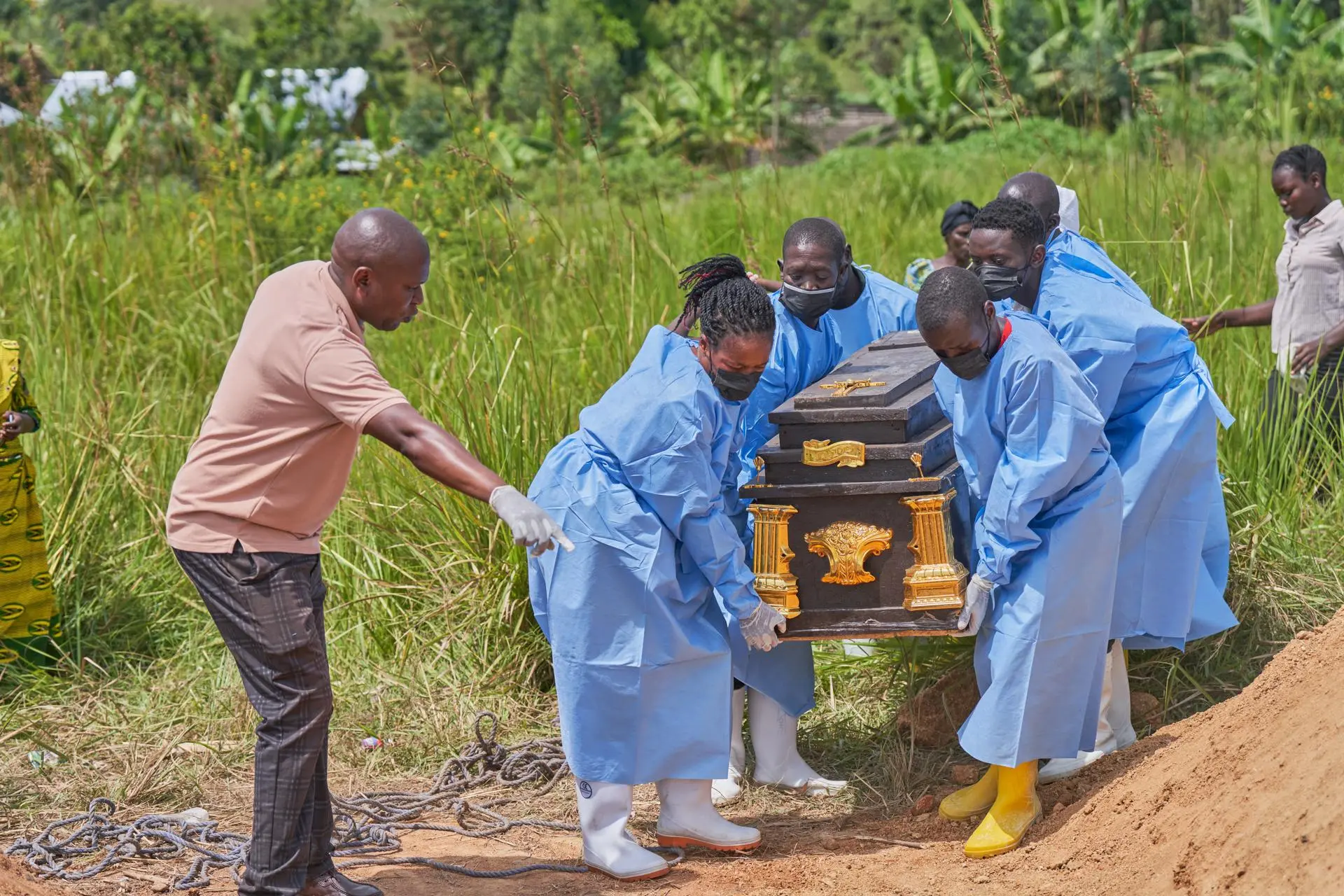
The ministry has urged the public to report symptoms immediately, wash hands frequently, accept medical isolation, and respect safe burial procedures. The Ebola virus, transmitted through direct contact with bodily fluids of infected individuals or animals, causes severe hemorrhagic fever, vomiting, diarrhea, and internal bleeding.
The WHO assesses the risk of the outbreak as “high” for sub‑Saharan Africa and “low” globally.
Author: Victor Miranda
Source: agencies