








Historic Artemis II Far Side Moon Views: Astronauts Describe Spectacular Sight
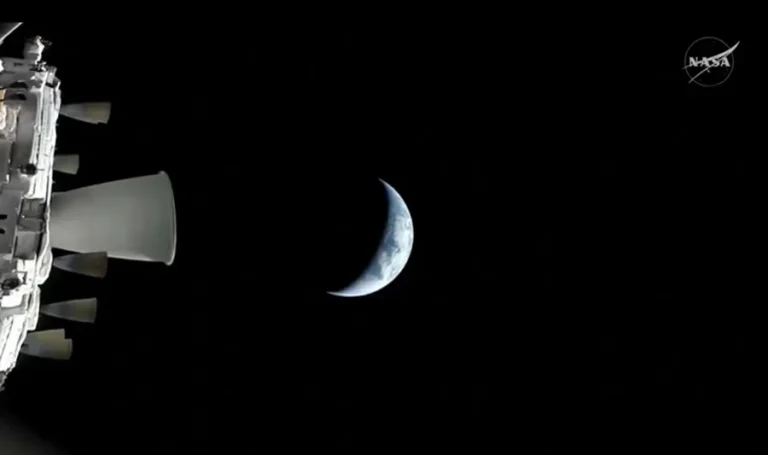
Astronauts aboard NASA’s Orion spacecraft during Artemis II share their first views of the far side of the Moon, describing the experience as breathtaking (Photo: NASA / Archival)
April 5, 2026 Hour: 5:11 pm
🔗 Comparte este artículo
Artemis II far side Moon views captured by crew during historic flyby as astronauts describe awe-inspiring sights from Orion spacecraft on first crewed lunar mission in over 50 years.
Related: NASA Confirms Artemis II Translunar Injection Success
Historic Artemis II Far Side Moon Views: Astronauts Describe Spectacular Sight
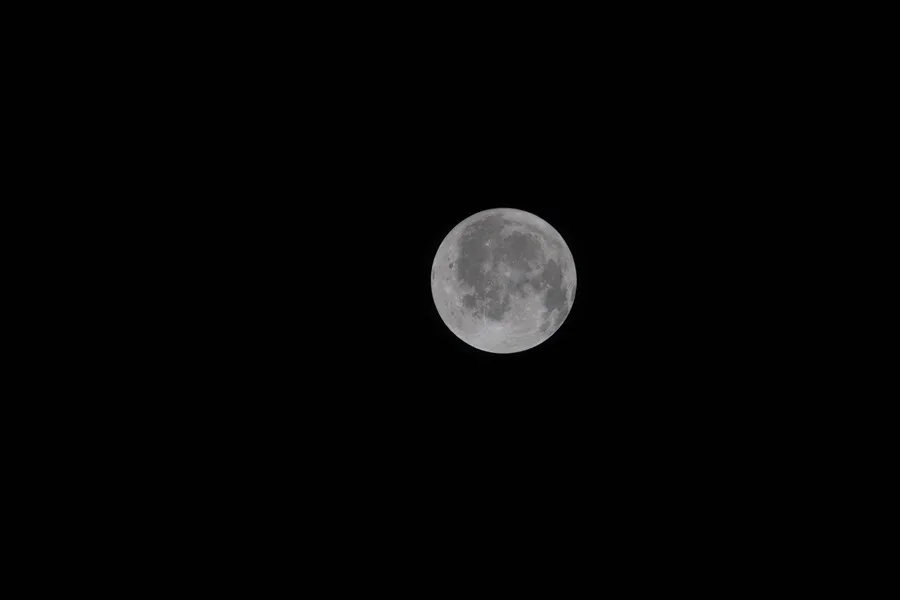
Artemis II far side Moon views have captivated the world as the four-member crew shared their awe-inspiring observations from the Orion spacecraft. In a historic interview conducted at a record distance from Earth, the astronauts described seeing the lunar far side for the first time with human eyes in more than 50 years.
The crew — Commander Reid Wiseman, Pilot Victor Glover, Mission Specialist Christina Koch, and Canadian astronaut Jeremy Hansen — spoke with NBC News while traveling toward the Moon. The conversation, described as the farthest interview in history, took place approximately 287,000 kilometers from Earth.
Astronaut Christina Koch expressed wonder at the sight. “Last night we had our first view of the far side of the Moon and it was absolutely spectacular. There’s something in your senses that tells you this is not the Moon I’m used to seeing,” she said.
The crew confirmed they used lunar navigation data and compared it with visual observations, realizing they were indeed looking at the far side. The mission marks the first crewed flight around the Moon since Apollo 17 in 1972.
Artemis II Far Side Moon Flyby Approaches Historic Milestone
The astronauts are preparing for a close lunar flyby scheduled for Monday, April 6, 2026. During this six-hour pass, they will capture high-resolution photographs and provide direct human observations of the lunar surface, including areas of the far side never seen directly by humans before.
The crew has already taken striking images of Earth from deep space, including a full view captured by Commander Reid Wiseman. These photographs show the planet with Africa and Europe visible, along with auroras and the zodiacal light.
NASA officials have emphasized that the mission builds on the work of previous generations while testing critical systems for future lunar exploration. The Orion spacecraft, named Integrity for this flight, continues to perform well as it follows a free-return trajectory.
For live mission updates and imagery: NASA Artemis II Mission Page.
Mission status briefings: NASA YouTube – Artemis II Updates.
Geopolitical and Regional Implications
Artemis II far side Moon observations come at a time when space exploration has become increasingly intertwined with geopolitical competition. The mission represents a key step in NASA’s Artemis program, which aims to return humans to the lunar surface and establish a sustainable presence as a foundation for eventual Mars missions.
International participation, including Canadian astronaut Jeremy Hansen, highlights collaborative efforts in space while underscoring strategic rivalries. As China advances its own lunar program with plans for crewed landings, the United States and its partners are accelerating efforts to maintain leadership in human spaceflight.
The successful execution of Artemis II could strengthen alliances in space exploration and set standards for future international cooperation on the Moon. At the same time, it raises questions about resource competition, lunar governance, and the militarization of space as more nations develop independent capabilities.
The mission’s focus on the far side — a region with unique scientific value due to its radio-quiet environment — also carries implications for astronomical research and potential future lunar bases. Data gathered will inform decisions on landing sites and resource utilization for upcoming crewed landings.
Crew in High Spirits as Mission Progresses
The astronauts have reported feeling well and expressed gratitude for the opportunity to participate in this historic journey. They have conducted systems checks, suit evaluations, and maneuver tests while sharing their experiences with audiences on Earth.
Commander Reid Wiseman described the view of Earth from deep space as leaving the crew “speechless.” The team has also received and reviewed scientific objectives for lunar observation during the upcoming flyby.
NASA has confirmed that the crew will lose radio contact with mission control for approximately 40 minutes during the closest approach to the far side — a planned and fully managed period due to the Moon blocking signals.
The ten-day mission is scheduled to conclude with a splashdown off the coast of San Diego around April 10-11, 2026. Orion will then be recovered and analyzed to gather data for future Artemis missions.
As Artemis II continues its journey, the crew’s observations of both Earth and the Moon serve as powerful reminders of humanity’s place in the cosmos. The mission not only tests critical technologies but also inspires renewed interest in space exploration at a time when multiple nations are expanding their presence beyond Earth orbit.
The successful completion of this flight will pave the way for Artemis III, which aims to land the first woman and first person of color on the lunar surface, continuing the legacy of human discovery and scientific advancement.
Author: JMVR
Source: EFE