







Chilean President Kast Defends Fuel Price Hikes of Over 40%
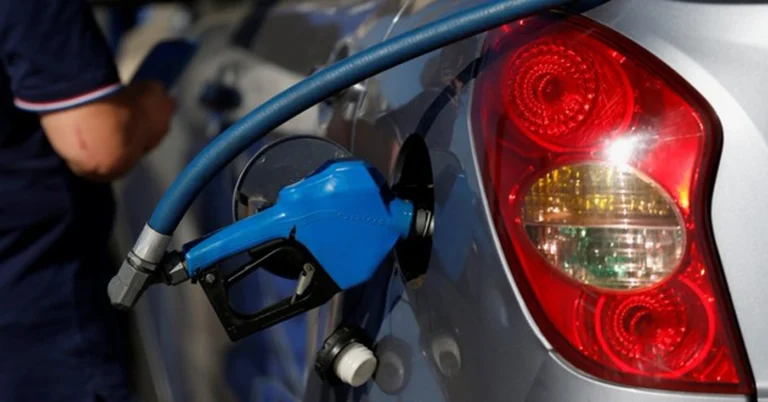
Gas station in Valparaiso, Chile. X/@Reuters.
March 26, 2026 Hour: 3:01 pm
🔗 Comparte este artículo
Students protested in front of Congress in Santiago, while drivers announced road blockades.
On Thursday, Chilean President Jose Antonio Kast defended the historic fuel price hikes, with gasoline prices rising by over 40% and diesel by 60%, using the impact of the U.S.-Israeli war in Iran as an excuse.
He argued that further indebting the country “would be worse” and, along with his economic ministers, presented a “relief package” at La Moneda Palace, which was approved by Congress.
The measures include “freezing” public and school transportation fares in Santiago, allegedly providing aid to taxi and truck drivers, and reducing the price of kerosene for the winter, seeking to mitigate immediate effects.
Meanwhile, left and right-wing parties have criticized the measures as insufficient, arguing that they did not include natural gas, the primary energy source used by Chileans, and that they failed to curb rising costs in the national logistics sector.
Students protested in front of Congress in Santiago, denouncing the fuel price hikes that are impacting a country heavily reliant on truck transport. Truck drivers announced road blockades and nationwide mobilizations starting on Friday.
Kast called for protests that would not disrupt public transportation, recalling the 2019 demonstrations against the subway fare hike. He warned that the State will respond with “the full force of the law” to any violence.
Meanwhile, the National Confederation of Truck Owners of Chile (CNDC) estimated an inflationary impact of 20 to 25%, noting that 98% of goods in Chile are transported by truck.
Finance Minister Jorge Quiroz announced aid for land transportation, but the Intercity Bus Association (ABI A.G.) and the National Confederation of Shared Taxis deemed the measures insufficient.
The measure allegedly includes subsidies of US$110 per month for taxis for six months and preferential loans to upgrade fleets to electric vehicles. However, although unions anticipate inevitable increases in fares and prices.
teleSUR: JP
Source: EFE