







Colombia Goes to the Polls to Elect New President
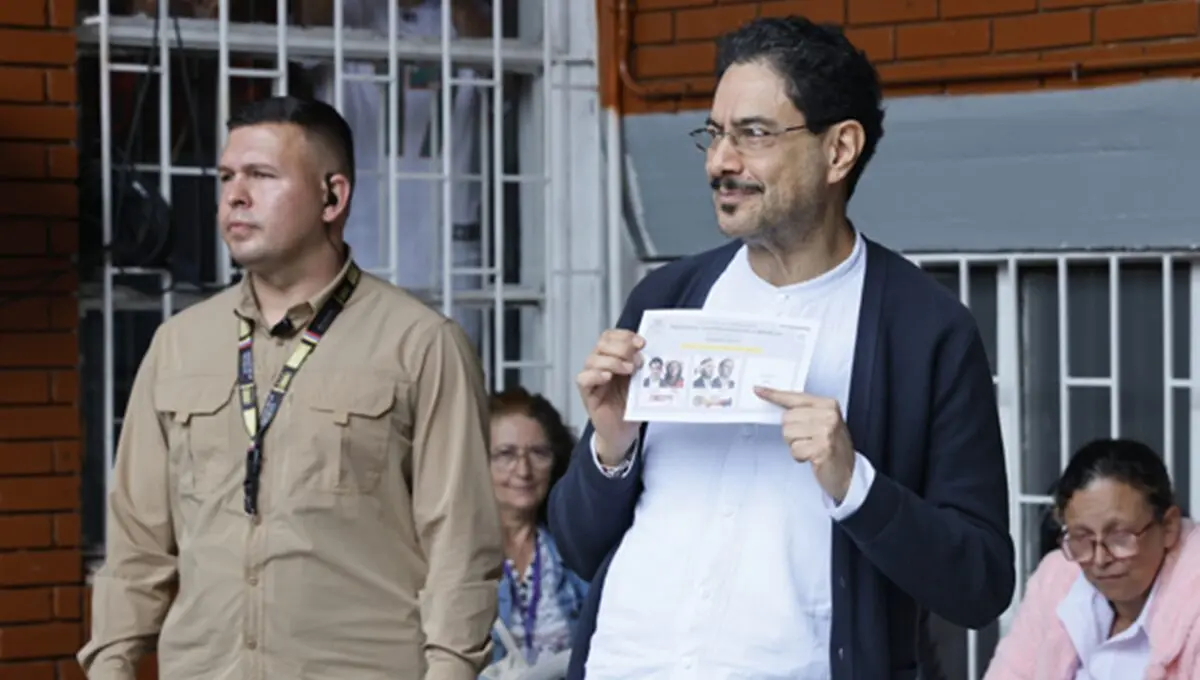
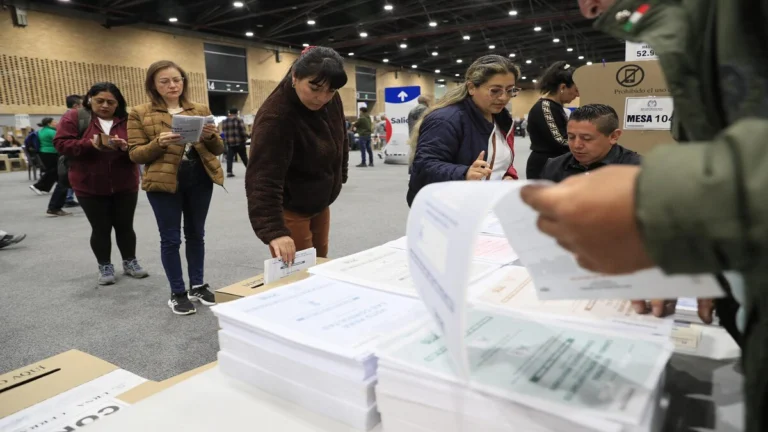
Citizens in Colombia vote today, May 31, to elect their next president for the 2026-2030 term amid high international oversight and allegations of disinformation campaigns.
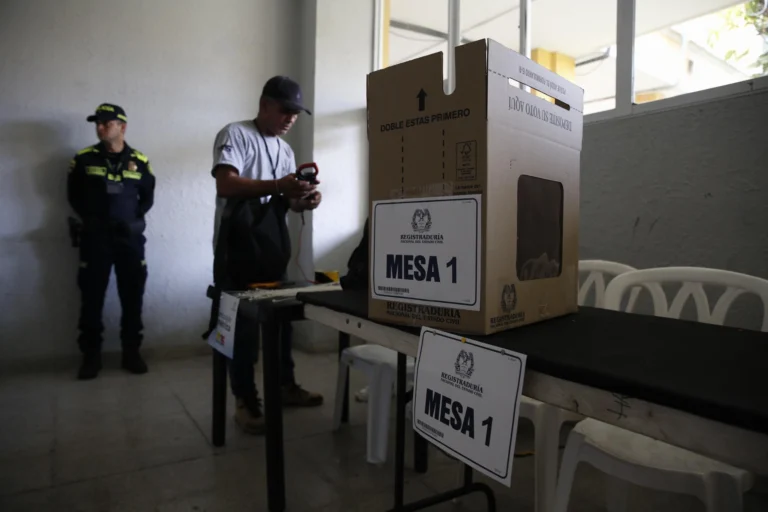
Photo: EFE/ Ernesto Guzman.
May 31, 2026 Hour: 8:16 am
🔗 Comparte este artículo
This Sunday marks a pivotal moment for Colombia as millions of citizens head to the polls to choose the country’s next president for the 2026-2030 term.
With a total of 11 candidates vying for the highest office, this election is shaping up to be one of the most closely watched in recent memory, not only within Colombia but also by an extensive network of international observers.
A Nationwide Electoral Effort
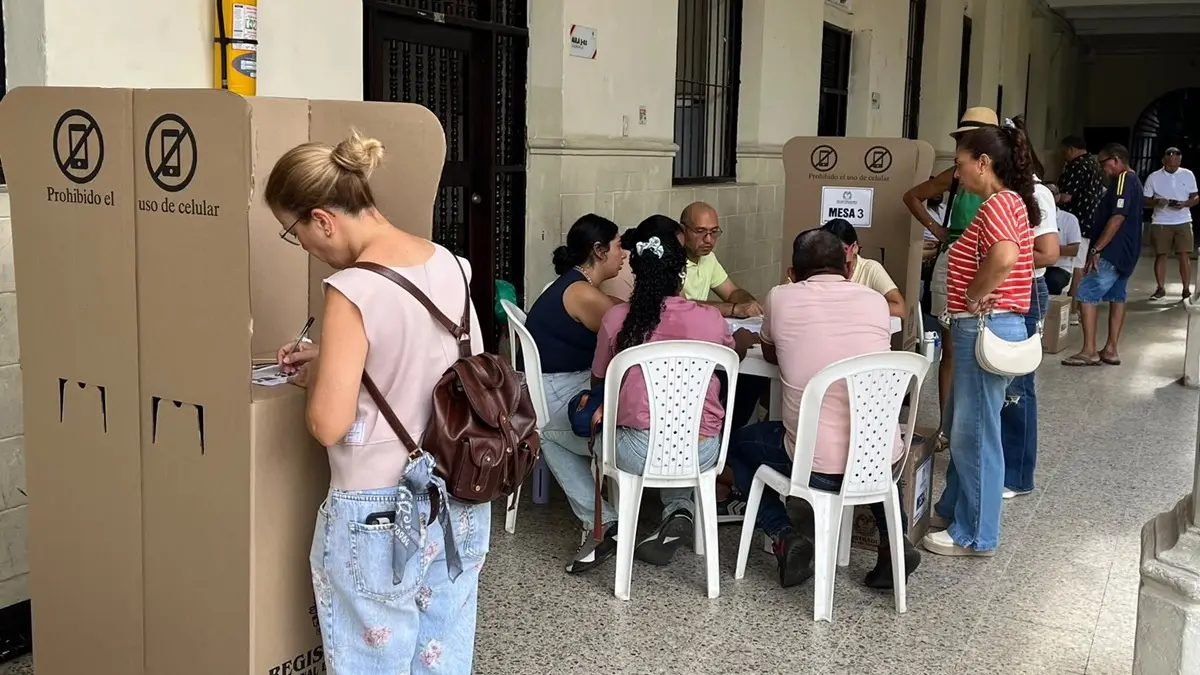
Starting at 8:00 a.m. local time and continuing until 4:00 p.m., voting centers across Colombia’s 1,104 municipalities will open their doors, ready to welcome voters eager to make their voices heard.
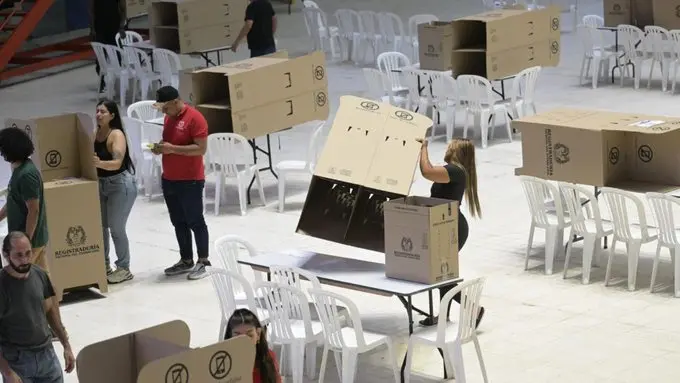
The Colombian National Registry has carefully coordinated the distribution of electoral materials to ensure smooth operations.
According to the national registrar Hernan Penagos, there have been no significant logistical or public order issues reported, underscoring thorough preparations for this democratic exercise.
Notably, voter participation isn’t confined within Colombia’s borders.
More than 3,700 voting tables have been set up in 67 countries and 116 consulates, exceeding the international coverage seen during the 2018 elections.
This expansion reflects Colombia’s growing diaspora engagement and adds another layer of complexity and importance to the electoral process.
The Possibility of a Second Round in Colombia
The electoral system in Colombia requires that to win outright in the first round, a candidate must secure more than 50% of valid votes.
Given the number of candidates and political diversity, it is widely anticipated that no one will meet this threshold on Sunday.
In that case, a second round is scheduled for June 21, where the two frontrunners from this initial vote will face off in a decisive contest.
This runoff ensures that the eventual winner holds majority support, lending greater legitimacy to the presidency amid often-fragmented political landscapes.
It is a critical mechanism designed to balance representation while avoiding protracted uncertainty following the first round.
Candidates and Political Dynamics
Among the 11 hopefuls, several have captured national attention. Ivan Cepeda represents the ruling coalition known as the Pacto Historico, standing as a figure of continuity for the current administration’s policies.
On the opposite side of the spectrum, Abelardo de la Espriella champions right-wing ideals, appealing to voters seeking a shift in direction.
Additionally, Senator Paloma Valencia, backed by the influential Centro Democratico party, presents a significant challenge with her platform emphasizing security and economic reform.
The diversity among candidates reflects Colombia’s complex social and political fabric.
Voters are tasked with weighing issues ranging from economic development and social justice to peace negotiations and security concerns, each candidate offering distinct visions for the nation’s future.
International Oversight and Challenges
The election is not only a domestic affair; it carries substantial international significance.
To safeguard fairness and transparency, approximately 1,200 international observers representing 26 organizations and missions are cooperating closely with Colombia’s National Electoral Council (CNE).
Their presence aims to deter fraud, monitor procedures, and endorse the credibility of the results.
However, the process has not been without its hurdles.
Authorities and civil society have reported waves of disinformation campaigns and media manipulation attempting to sway public opinion improperly.
These challenges highlight the ongoing struggle to protect democratic processes in an era of rapid information flow and social media influence.
Author: MFD
Source: teleSUR