







Cuba Confirms Meeting with U.S. Delegation, Demands End to Energy Blockade
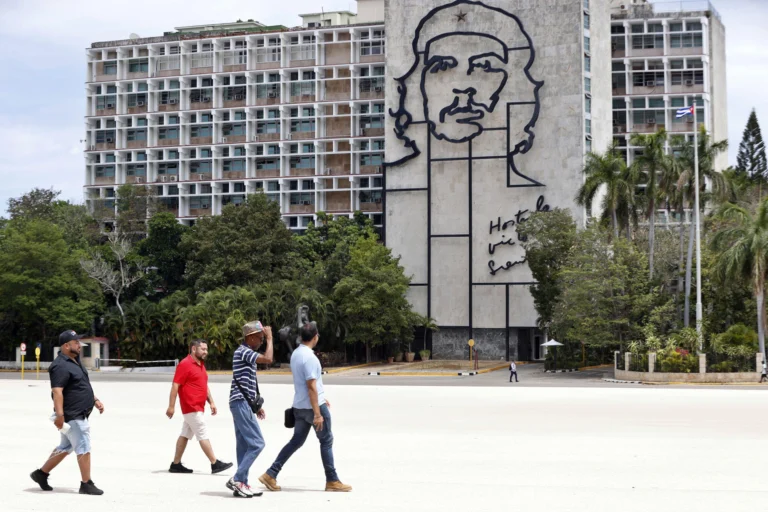
The Cuban Government has reiterated on several occasions its willingness to engage in dialogue with the US authorities, maintaining an open attitude to communication provided that exchanges are conducted on a respectful basis. Photo: EFE.
April 20, 2026 Hour: 8:06 pm
🔗 Comparte este artículo
Cuba’s autorithies confirmed today a recent meeting in Havana with a United States delegation, where the Caribbean nation’s diplomats primarily urged Washington to eliminate the energy blockade.
In statements made to the newspaper Granma, the Deputy Director General of the Cuban Ministry of Foreign Affairs, Alejandro García, confirmed this Monday, April 20, the recent holding of a meeting in the Cuban capital between delegations of the Caribbean nation and the United States.
Cuba maintained that these delicate encounters are handled with discretion due to the sensitivity inherent in the bilateral relations agenda.
The paramount concern raised by the Cuban delegation during the Havana meeting was the urgent necessity to lift the existing energy blockade impacting the nation.
“The elimination of the energy blockade against the country was a matter of maximum priority for our delegation”, García del Toro stated.
The Cuban official detailed that the U.S. delegation was composed of Assistant Secretaries from the State Department, while Cuba was represented at the Deputy Foreign Minister level. García underscored that this high-level diplomatic exchange, characterized by its respectful and professional tone, aimed to address critical bilateral issues. In this sense, he specifically clarified that “neither party established deadlines or made confrontational statements, as some U.S. media outlets have reported.”
Text reads: “The U.S. Deputy Director-General of the Ministry of Foreign Affairs (Minrex), Alejandro García del Toro gave statements to the Granma Newspaper about meeting between delegations from Cuba and the United States.”
The Cuban Official further condemned this measure, asserting that “this act of economic coercion is an unjustified punishment against the entire Cuban people. It is also global blackmail against sovereign states, which have every right to export fuel to Cuba, in virtue of the norms governing free trade.” This perspective highlights Cuba’s anti-colonial stance and its commitment to South-South solidarity, framing the blockade as an infringement on national sovereignty.
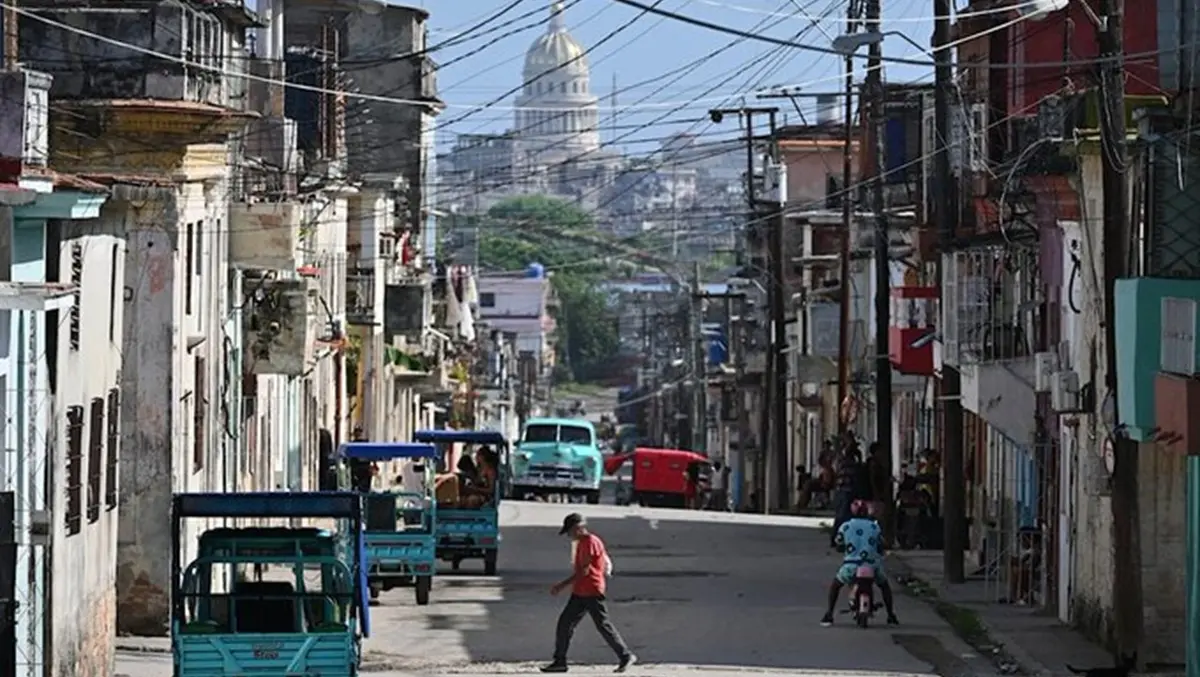
The intensified oil blockade against Cuba dates back to January 29, when U.S. President Donald Trump issued an Executive Order that declared a national emergency, citing Cuba as an alleged “unusual and extraordinary threat” to U.S. security. This directive effectively granted Washington broad powers to sanction any country attempting to directly or indirectly supply oil to Cuba, leading to severe fuel shortages that profoundly affect the daily lives of the Cuban people.
Despite these ongoing pressures and the economic coercion, the Government of Cuba has consistently reiterated its unwavering disposition towards dialogue with United States authorities, maintaining open stance on communication, provided that such exchanges occur on a foundation of respect and strict non-interference in internal affairs.
In alignment with this position, Cuban President Miguel Díaz-Canel recently expressed in an interview with the U.S. outlet Newsweek that dialogue with the United States remains a viable path. He highlighted numerous areas where mutual agreements could be forged, including science, migration, the global fight against drug trafficking, environmental protection, trade, education, culture and sports.
These potential avenues for cooperation underscore Cuba’s readiness to engage constructively despite historical tensions and current challenges, seeking common ground for the benefit of both nations and the broader region.
Author: Laura V. Mor
Source: Cuban Ministry of Foreign Affairs / Granma