







Israel’s 74-Day Delays Block W.H.O. Medical Shipments to Gaza
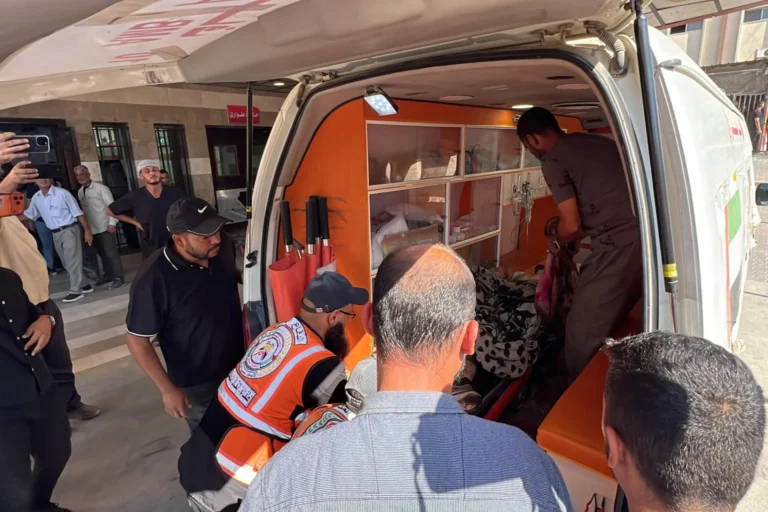
W.H.O. reports that essential medicines expire and supplies deteriorate at border crossings before being distributed. Photo: EFE.
October 2, 2026 Hour: 7:43 pm
🔗 Comparte este artículo
The World Health Organization (W.H.O.) denounced this Friday a shipment of prosthetics and assistive devices for amputees has been rejected four times in six months, as Gaza’s health system collapses under Israeli border closures and repeated ceasefire violations.
The World Health Organization (W.H.O.) has warned that a batch of prosthetics and assistive devices meant for people with amputations has been turned away four times in the past six months.
W.H.O. representative for the Occupied Palestinian Territories, Reinhild Van de Weerdt, said no hospital in Gaza is currently operating at full capacity, speaking in Geneva, where she stressed that chronic shortages of medicine and medical supplies remain a serious obstacle to restoring health services even a year after the ceasefire was announced.
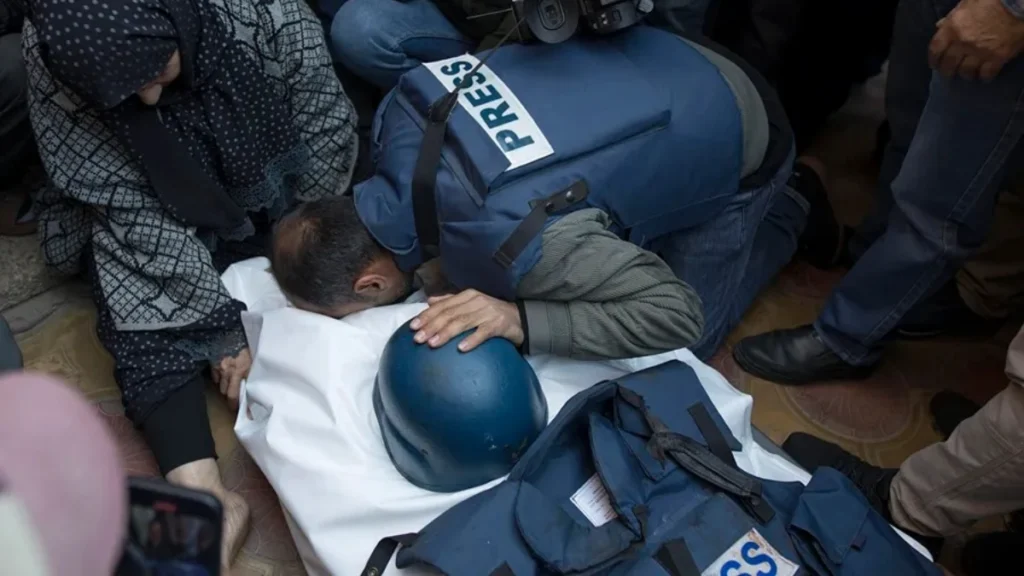
RELATED: Israeli Strike Kills Journalist, Gaza Press Toll Hits 263
The approval system imposed by Israeli occupying forces represents a prolonged and arbitrary obstacle, according to the W.H.O., since each rejection forces organizations to restart the approval process from scratch with no guarantee of a different outcome.
While medicines reach an approval rate of roughly 87%, W.H.O. said Israeli authorities repeatedly deny entry to key health technologies, including X-ray machines, sterilization systems and replacement parts for CT scanners, without offering any explanation.
Laboratory and diagnostic equipment are among the most frequently held supplies, with 40% of related shipments stalled awaiting official rulings -a bottleneck that has significantly reduced the health system’s capacity to diagnose and treat cardiovascular disease, one of the leading causes of death in Gaza. The suspension of critical tests, including blood gas analysis -a rapid tool used to measure oxygen levels and detect cardiac and pulmonary emergencies in critical patients– has further deepened the crisis, leaving doctors with fewer tools to save lives.
Shipments Face Risks
W.H.O. also denounces that a shipment of prosthetics and assistive devices for amputees was rejected four times over the past six months, affecting thousands of Palestinians wounded in bombing attacks who require specialized care. Van de Weerdt warned that every additional day spent in storage or transit brings medicines closer to their expiration date and increases the risk that equipment will be damaged before it ever reaches the person who needs it.
She described the security situation in Gaza as “very, very precarious”, noting that W.H.O. teams collecting medical supplies at the Kerem Shalom crossing must travel through areas controlled by the Israeli military using armored vehicles and personal protective equipment, a process that requires coordination with Israeli authorities and often involves lengthy delays, with logistics staff sometimes departing early in the morning and returning at day’s end with shipments still held up for weeks. In this sense, the health organization called for unhindered, predictable, large-scale entry of humanitarian and medical supplies into Gaza, along with the opening of multiple border crossings so that aid does not arrive only in limited quantities.
In June, Gaza’s Human Rights Center accused Israeli forces of using regional escalation as a pretext to close crossings including Kerem Abu Salem and Rafah, describing the closures as a tool of collective punishment against more than two million civilians. The group said the recurring closures have turned the population into hostages of regional political and security developments, adding that the restrictions compound a pattern of violations of the October 2025 ceasefire agreement, which called for 600 trucks to enter daily, including 50 fuel tankers. According to the center, only 36.2% of the agreed truck volume has actually entered Gaza, with fuel deliveries reaching just 14.7% of the agreed amount, while more than 20,000 patients urgently need to travel abroad for treatment amid reports of patients dying at hospital doors for lack of supplies.
Since October 8, 2023, Israel’s genocide on Gaza has killed more than 74,000 Palestinians and wounded over 175,000, with roughly 90% of the territory’s infrastructure destroyed or damaged, according to official figures; violations of the October 2025 ceasefire have separately killed 1,431 Palestinians and wounded 5,026, according to Gaza’s Health Ministry.
Author: Laura V. Mor
Source: UN News / Agencies