


Mayon Volcano Forces Evacuation of Over 1,500 Families in the Philippines

Photo: Smithsonian Institution – National Museum of Natural History.
May 3, 2026 Hour: 6:51 am
🔗 Comparte este artículo
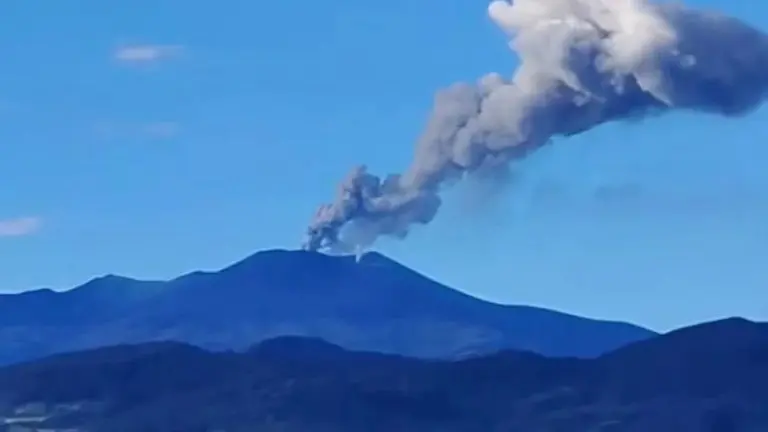
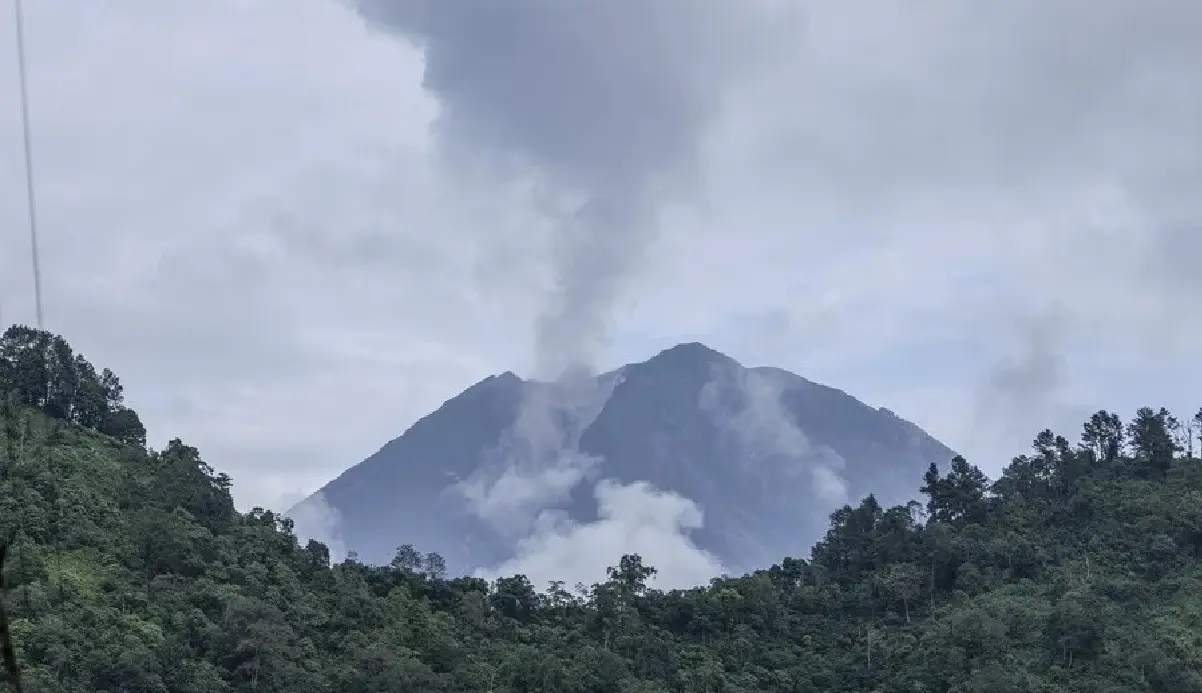
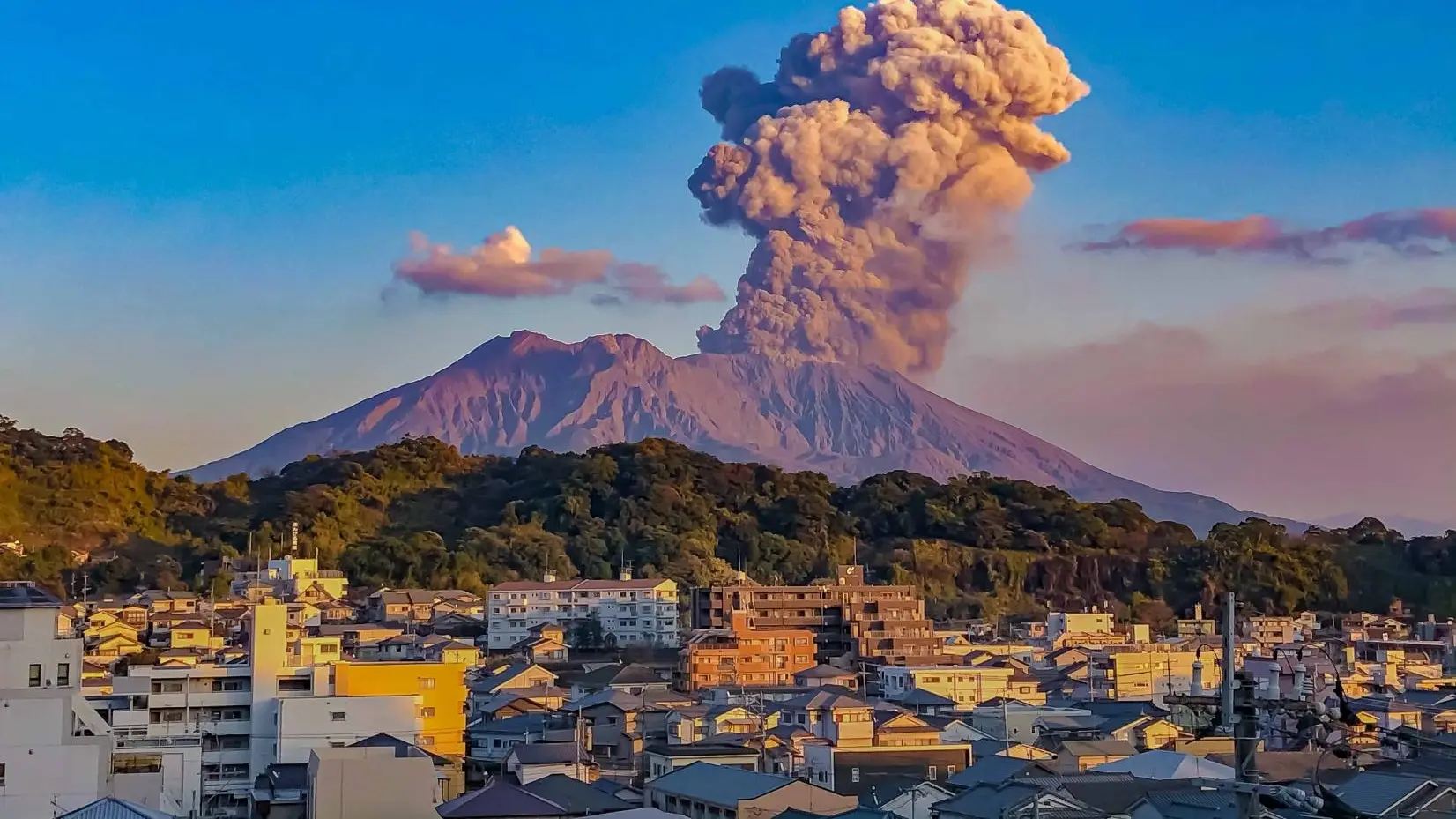
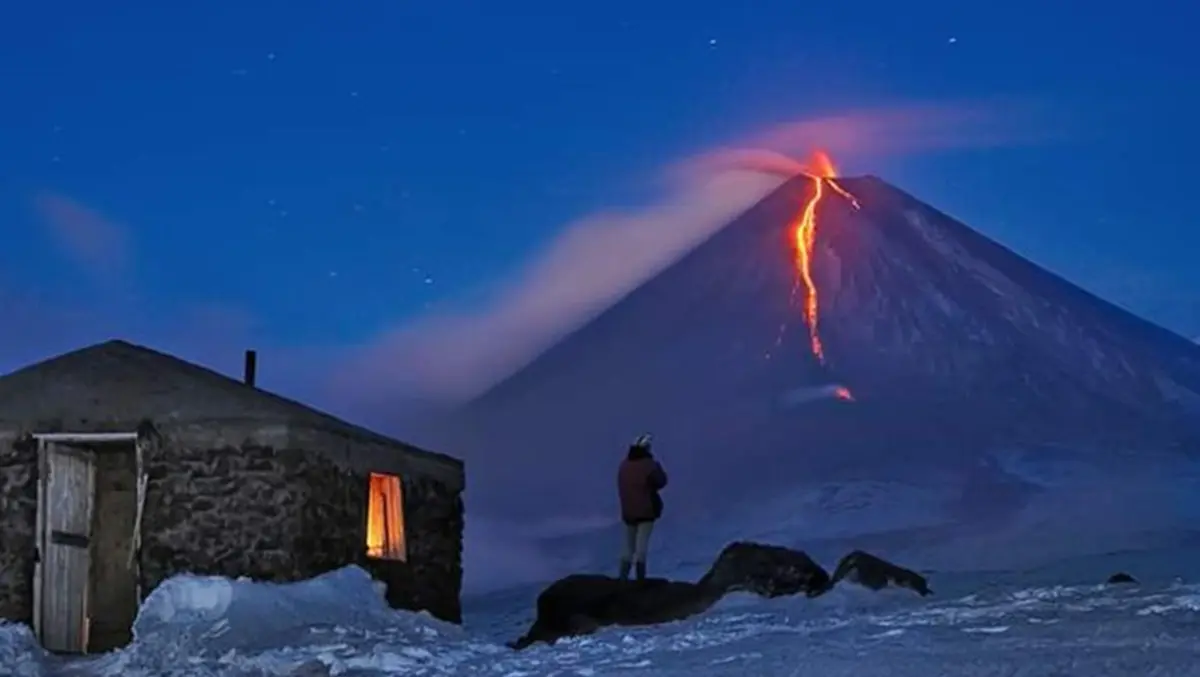
More than 1,500 families have been evacuated from areas near the Mayon Volcano in the northeastern Philippines as the country’s most active colossus exhibits a high level of magmatic unrest, prompting authorities to raise alert protocols and order residents to flee following a series of local earthquakes, rockfalls, and pyroclastic density currents.
The Philippine Institute of Volcanology and Seismology (Phivolcs) confirmed that a “high level of magmatic unrest” persists, warning that moderate explosions and other hazardous phenomena could occur in the coming days. A permanent danger zone with a six‑kilometer radius around the volcano remains in effect.
RELATED: Philippines Experience Wave of Protests Against U.S. and Israeli Attacks on Iran
Civil Defense officials have ordered the mandatory evacuation of surrounding communities, though some residents have resisted, expressing their intention to return home despite the risk. Evacuees currently stay in shelters, awaiting a decrease in volcanic activity.
Ashfall has been reported in at least 52 localities in the Albay region, including the municipality of Camalig, where thick layers of volcanic material partially cover the volcano’s slope.
Aviation authorities have canceled flights passing near Mayon. Meanwhile, the volcano continues to generate local earthquakes, prolonged tremors, rockfalls, and pyroclastic flows.
The situation underscores the Philippines’ position on the Pacific Ring of Fire, a zone of intense seismic and volcanic activity, with Mayon reaffirming its status as one of the nation’s most active and dangerous volcanoes.
Author: Victor Miranda
Source: agencies