







Venezuelan Military Endorses New Amnesty Law
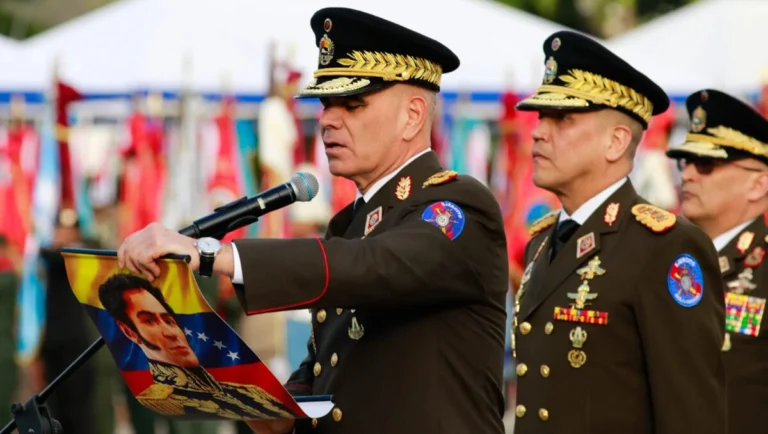
Venezuela Defense Minister Vladimir Padrino Lopez. Photo: PP
February 20, 2026 Hour: 2:39 pm
🔗 Comparte este artículo
The Bolivarian National Armed Forces praise amnesty as act of political maturity.
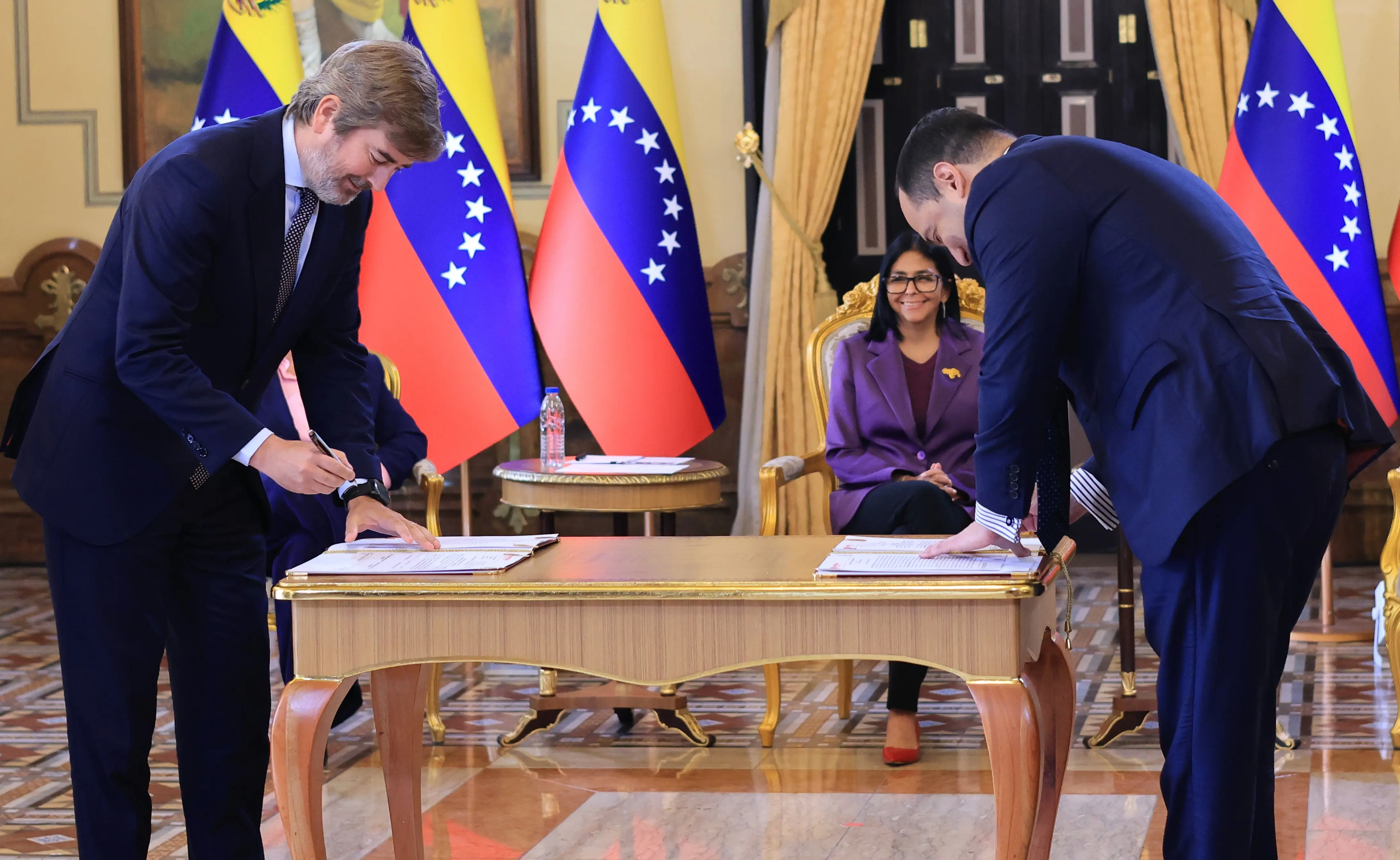
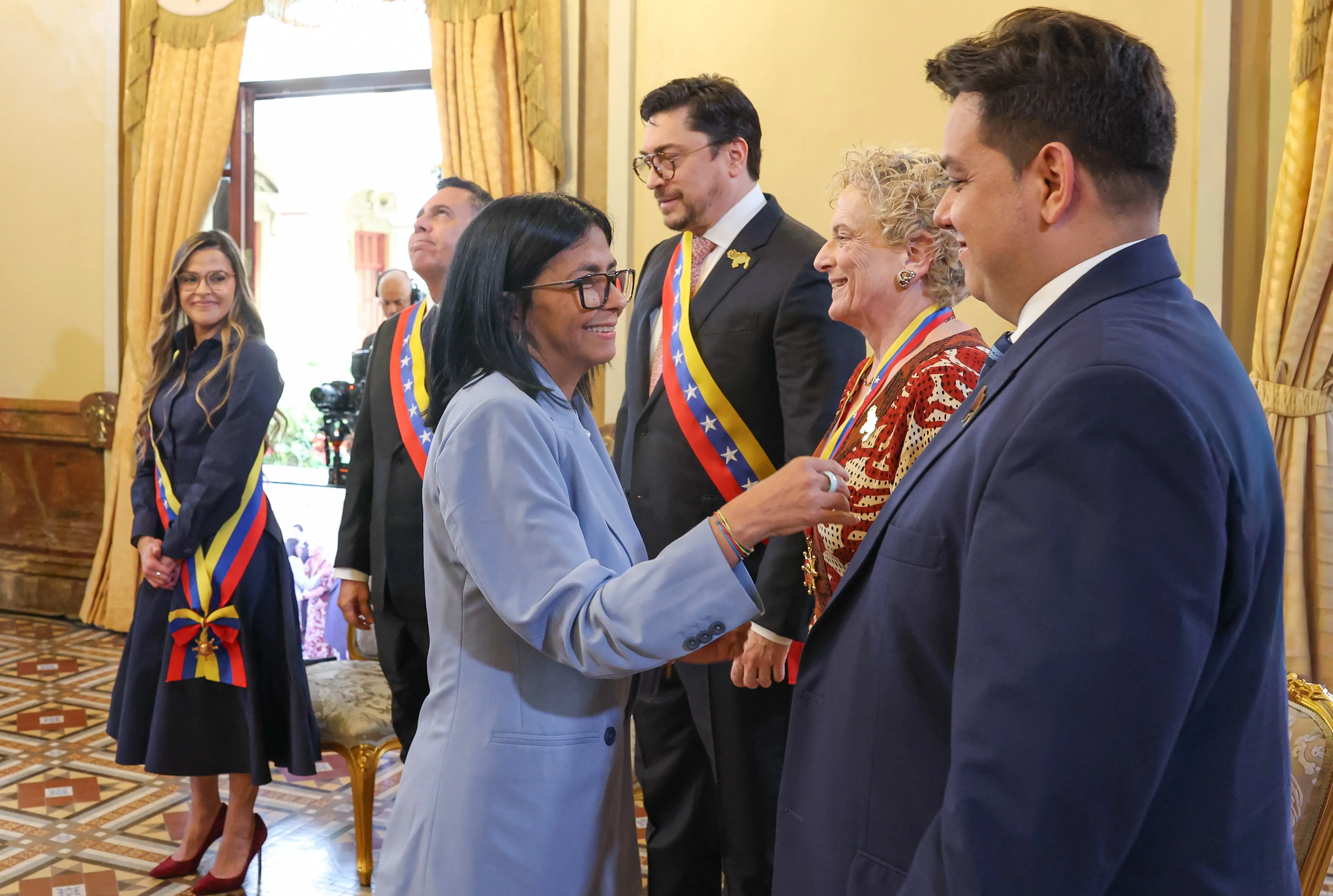
On Friday, Venezuela’s Bolivarian National Armed Forces (FANB) expressed support for the “Amnesty for Democratic Coexistence Law,” approved by the National Assembly and signed by Acting President Delcy Rodriguez on Feb. 19.
RELATED:
Venezuelan Acting President Enacts Amnesty Law After National Assembly Approval
In an official statement signed by Defense Minister Vladimir Padrino Lopez, the FANB described the law as an expression of political maturity and a key tool to achieve lasting national stability.
The military institution emphasized that the legislation should not be seen solely as a legal measure but as an act of “spiritual greatness” and a “true act of love for the country.”
It also stressed that the forgiveness the law establishes is not intended to validate past mistakes or erase historical memory, but to prevent accumulated pain from hindering the progress of current and future generations of Venezuelans.
According to the FANB, the law is the product of national dialogue and reaffirms the conviction that respect and political consensus are the proper mechanisms to strengthen Venezuela’s democratic system, setting aside confrontations to prioritize harmony and calm amid the country’s current context.
The FANB expressed optimism about possible paths to understanding that could help overcome adversities, concluding that reconciliation and unity are achievable objectives through this process. It celebrated the nation’s movement toward bringing all citizens together under principles of brotherhood and sovereignty.
The “Amnesty for Democratic Coexistence Law” creates a framework designed to resolve situations stemming from past political conflicts, allowing full reintegration of beneficiaries into the country’s social and public life.
The legislation details specific mechanisms for its application, including Article 7, which allows people outside the country to be represented by a legal proxy before competent courts.
Applicants must be in compliance with the law or come into compliance after it takes effect. While the initial application may be made through a trusted lawyer, beneficiaries must personally appear to receive amnesty, after which they cannot be deprived of liberty for acts covered under the law.
The law covers 13 specific political events over recent decades, including the April 2002 coup attempt, the 2002–2003 oil strike and various periods of protests and violence from 2004 to 2014.
Amnesty will only benefit those who have ceased committing criminal acts. The law also sets strict limits to guarantee justice and avoid impunity. It excludes from eligibility serious human rights violations, crimes against humanity, war crimes, homicide, drug trafficking, and corruption.
Additionally, individuals who have promoted armed actions against sovereignty, invoked foreign invasions or sought illegal sanctions against the Venezuelan people are barred from amnesty.
teleSUR/ JF
Sources: FANB – teleSUR