







Senegal Confirms No Official World Cup 2026 Fan Travel Amid U.S. Visa Denials
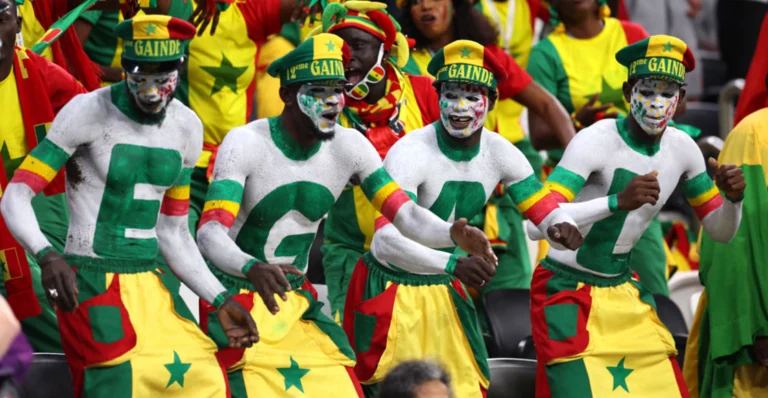
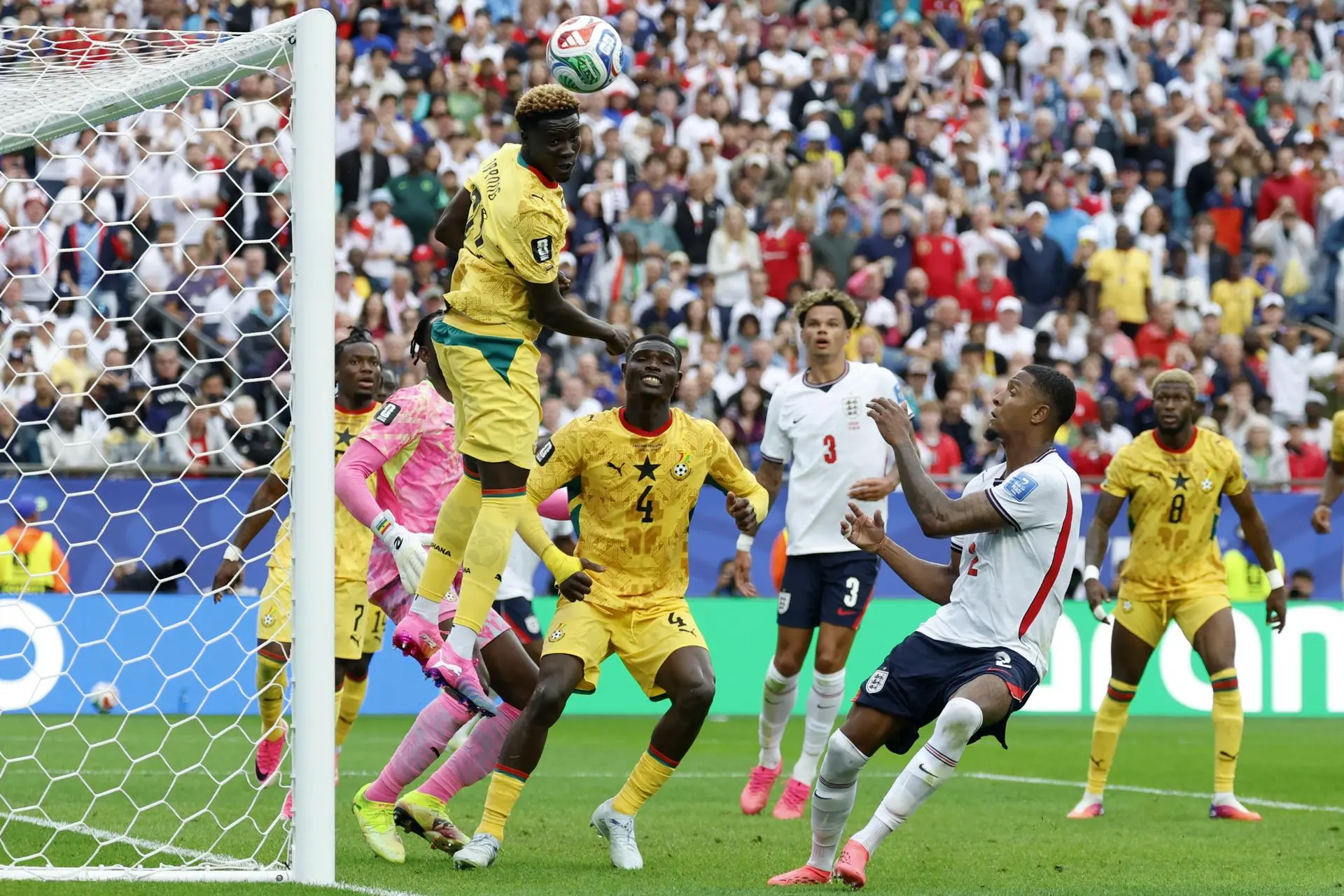
(FILE) The absence of an organized displacement is a blow to the Senegalese team, which has historically depended on the energy and color of groups like Allez Casa and Lébougui. Photo: Getty Images.
May 18, 2026 Hour: 3:52 pm
🔗 Comparte este artículo
Senegal’s Minister of Sports announced on May 18 that the Government will not organize official fan delegations to the United States for the FIFA World Cup 2026 due to persistent visa restrictions imposed by the Donald Trump administration.
The Senegalese Minister of Sports, Khady Diène Gaye, confirmed that the Government would not facilitate any official travel for fan committees from Dakar to the United States for the forthcoming World Cup 2026.
This announcement follows continuous rejections and stringent limitations on visa issuance by the Donald Trump administration in the United States.
RELATED: 2016 World Cup: Trump Waives Visa Bond Rule For Ticket Holders
“Every country is sovereign. This time, we cannot accommodate the fans“, Gaye lamented.
She further detailed that applications submitted for key leaders of prominent support committees, such as Allez Casa and Lébougui, were systematically denied by the U.S. Embassy, thus depriving the national football team, affectionately known as the “Lions of Teranga”, of their traditional institutional backing in the stadiums.
The decision underscores significant hurdles for Global South countries to access major international events amid stringent U.S. immigration policies, severely impacting African nations’ participation.
Historically, the team has relied heavily on the vibrant energy and colorful presence of groups like Allez Casa and Lébougui. These committees are fundamental to the sports culture of the African nation, providing an unparalleled sonic and visual support that has distinctly marked Senegal’s participation in previous editions of the World Cup.
Their enthusiastic presence often transformed stadiums into a sea of Senegalese colors, creating an intimidating atmosphere for opponents and a source of immense pride for the team and the entire country.
Visa Hurdles Remain
Minister Gaye elaborated that despite undertaking preliminary procedures to secure the presence of the Presidents of these vital fan committees, these efforts were ultimately unsuccessful due to the rigidity of United States immigration policies.
“I already tried with the Presidents of Allez Casa and Lébougui, but they did not obtain the visa”, the official underlined, bringing into sharp focus the significant difficulties encountered by nations from the Global South in accessing major sports events hosted in developed territories.
This situation arises even as the U.S. Government announced on May 14, the temporary suspension of controversial migration bonds of up to 15,000 dollars for citizens from 50 nations planning to attend the World Cup 2026. While this measure aims to benefit individual supporters from certain Global South countries, including delegations from Algeria, Cabo Verde, Côte d’Ivoire, Senegal and Tunisia, it evidently does not alleviate the fundamental issue of outright visa rejections for organized fan delegations, preventing official representation.
Impact on Fans
With the cancellation of official state support, Senegalese supporters who still wish to attend the prestigious global football event will be compelled to attempt the journey independently.
This entails bearing the considerably high costs of travel and confronting the inherent risks of navigating visa application processes without governmental endorsement. For the vast majority of the population in Senegal, this practically signifies that the World Cup 2026 will be exclusively experienced through television screens and digital platforms from their homes in Dakar and various other regions across the country.
This scenario highlights a broader disparity, where economic means and geopolitical access often determine who can participate in or witness international cultural and sporting spectacles, further marginalizing voices from the Global South. The dream of cheering on the “Lions of Teranga” in person remains elusive for many, underscoring the real-world implications of stringent immigration policies.
The Senegalese Government’s decision, driven by unavoidable external constraints, reflects a broader pattern where financial and bureaucratic barriers often limit cultural exchange and participation.
Author: Laura V. Mor
Source: Agencies