


Trump Suspends New Attack Against Iran Amidst Peace Talks
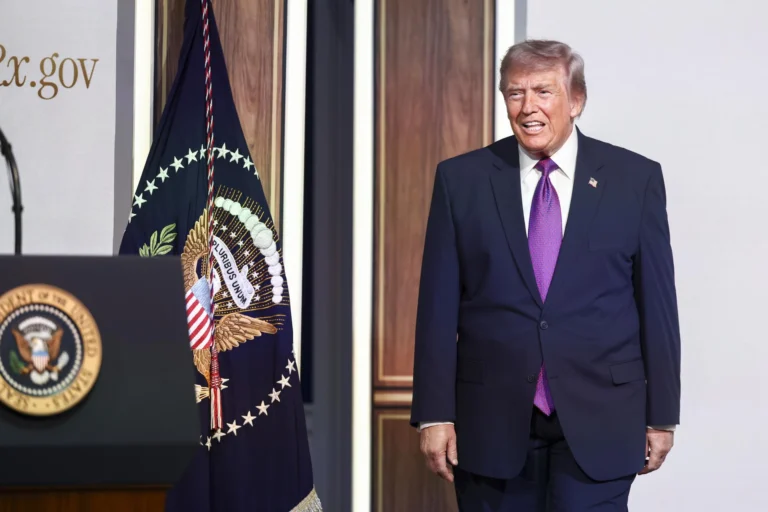
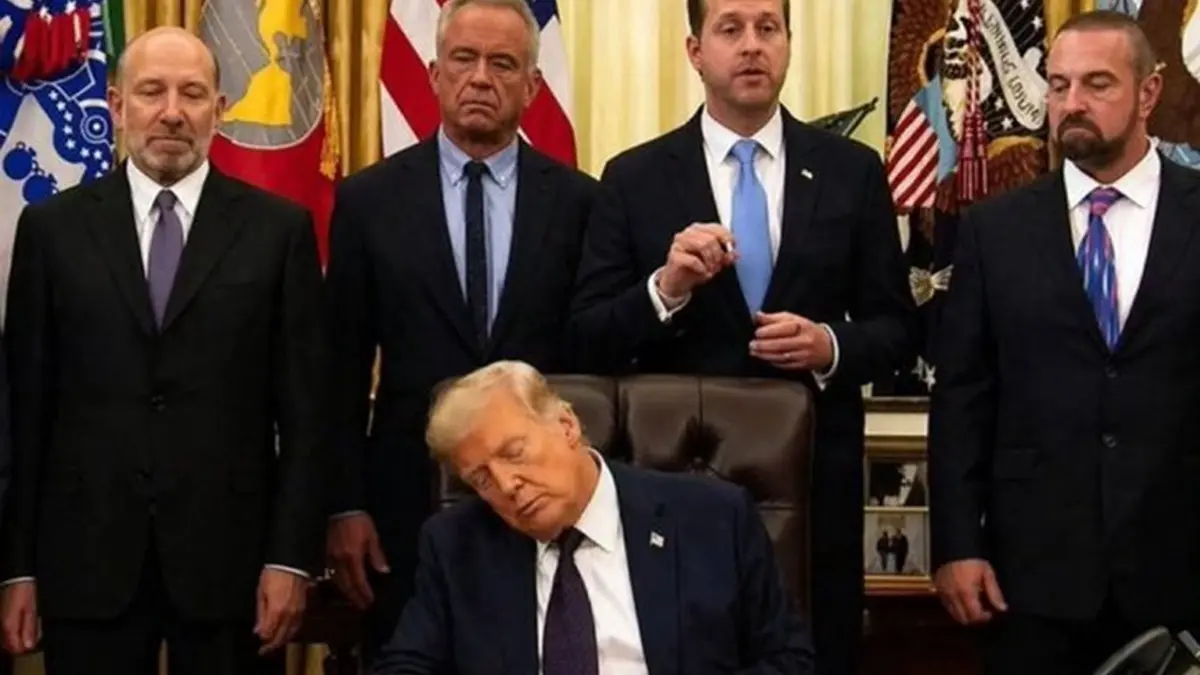
The aggression that Trump suspended and which date had not been made public until now, would have ended the ceasefire in place since April. Photo: EFE.
May 18, 2026 Hour: 10:16 pm
🔗 Comparte este artículo
U.S. President Donald Trump announced this Monday via his Truth Social account, the suspension of a military attack against Iran scheduled for Tuesday, May 19.
Through the digital platform Truth Social, U.S. President Donald Trump explained on May 18 that the cancellation of the aggression came after specific requests from key Middle Eastern leaders: the Emir of Qatar, Tamim bin Hamad Al Thani; the Crown Prince of Saudi Arabia, Mohammed bin Salman Al Saud; and the President of the United Arab Emirates, Mohamed bin Zayed Al Nahyan.
These Arab leaders reportedly urged Trump to postpone the attack, indicating that “serious negotiations are underway” and that, in their view, an agreement “very acceptable to the United States” could potentially be achieved.
RELATED: 5 Critical Conditions: Pakistan’s Powerful Push for Iran-US Mediation
Prior to this announcement, Trump had not publicly revealed his intention to attack the Islamic Republic on Tuesday, an action that would have brought a decisive end to the ceasefire that has been holding since last April, providing a fragile period of de-escalation.
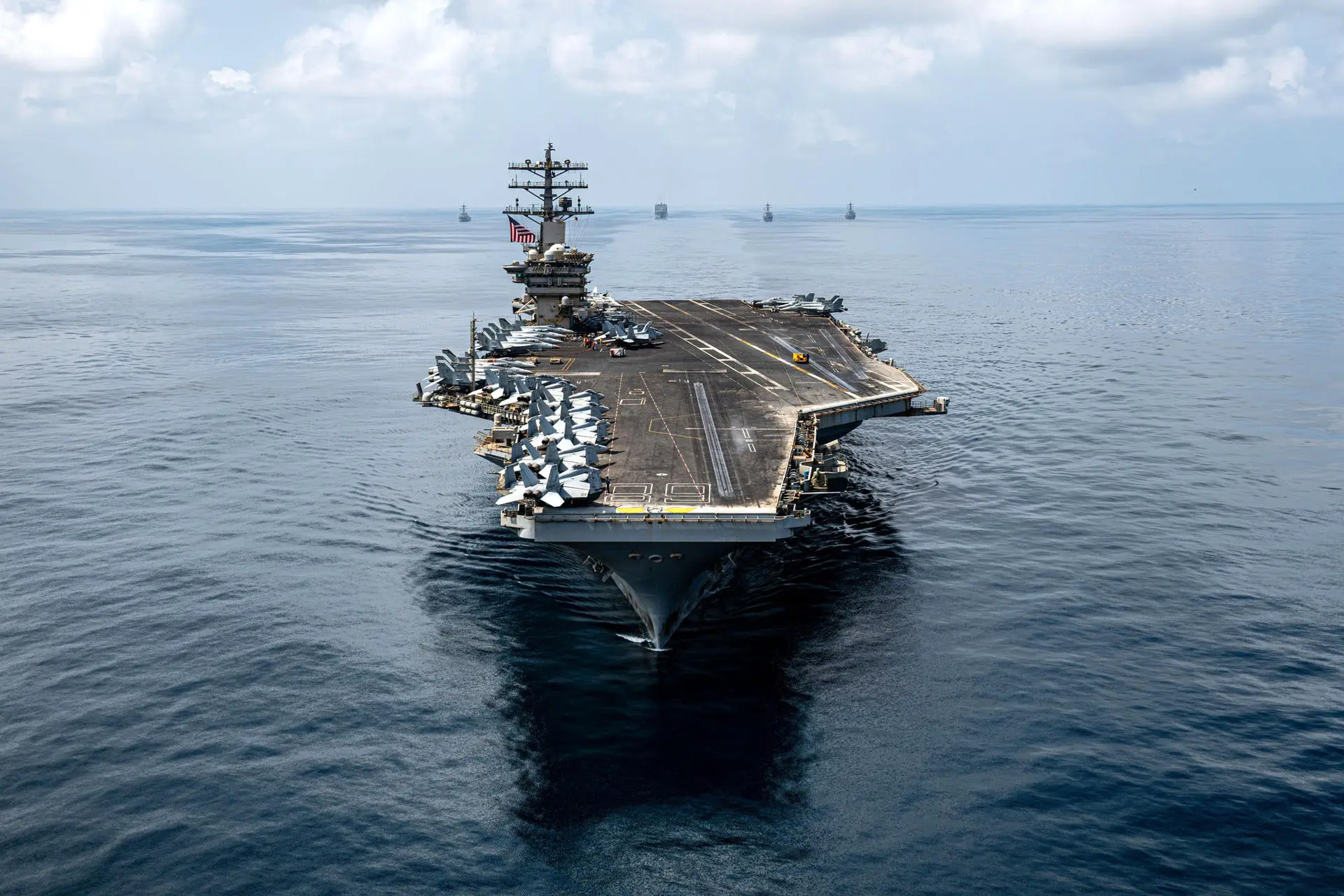
Despite this temporary halt, Trump warned that Washington remains prepared to execute a large-scale aggression at any moment if an acceptable agreement on the Islamic Republic’s nuclear capabilities is not reached.
This planned aggression, whose date had not been publicly disclosed until now, would have effectively ended the ceasefire that has been in effect since April, escalating the already tense geopolitical landscape.
“Based on my respect for the aforementioned leaders, I have instructed Secretary of War, Pete Hegseth, the Chairman of the Joint Chiefs of Staff, General Daniel Caine, and the United States Armed Forces, that we DO NOT carry out the scheduled attack against Iran tomorrow“, the Republican Head of State declared on the digital platform.
This statement, while confirming the suspension, simultaneously underscored the readiness of the U.S. military should circumstances change. The involvement of regional leaders highlights the extensive diplomatic efforts behind the scenes to prevent a full-blown conflict and stabilize an already volatile area, reflecting broader international concerns about the potential repercussions of military action in the Persian Gulf.
Despite the suspension, Trump emphasized that he has unequivocally ordered military commanders to remain “prepared for a large-scale attack against Iran at any moment,” particularly “in case an acceptable agreement is not reached.” This ongoing threat keeps the pressure firmly on Tehran and the negotiating parties.
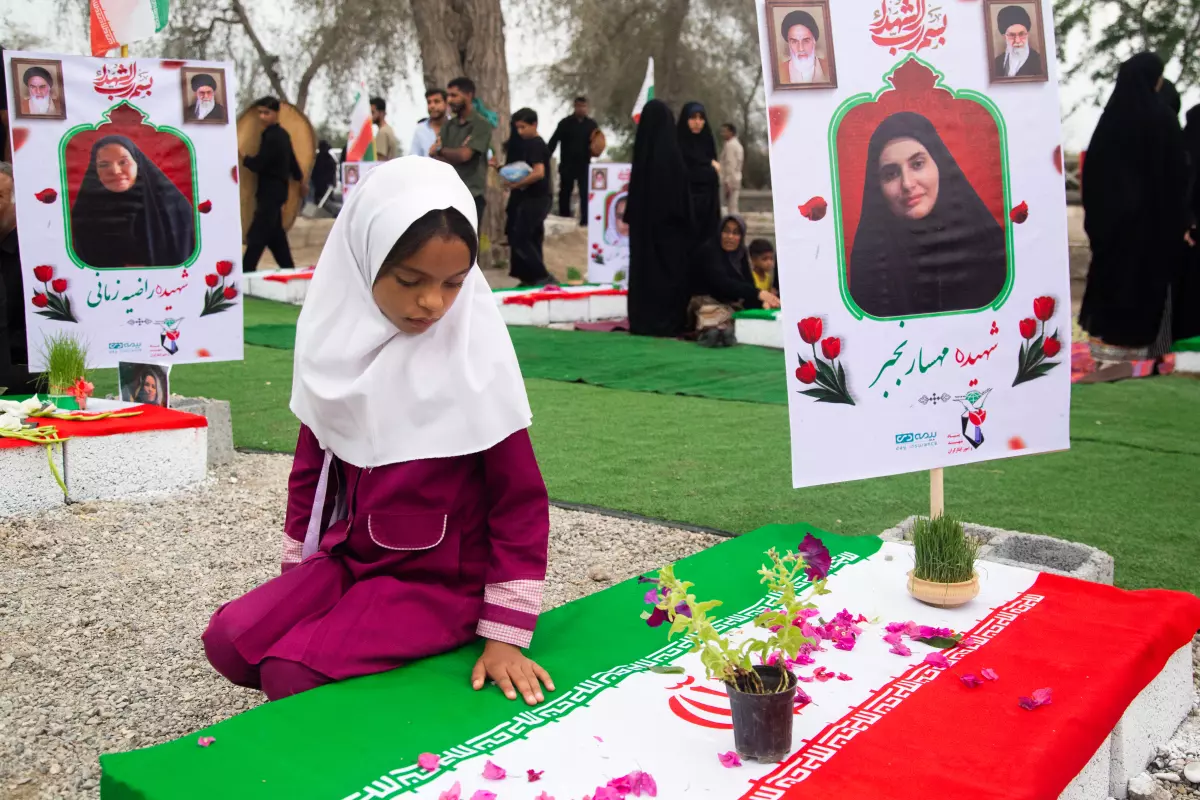
Last Sunday, the U.S. President had previously asserted that “Iran’s time is running out” and threatened to resume the bombardments that had been paused since April. These earlier bombardments, which began on February 28, tragically resulted in the loss of 3,375 Iranian lives, providing a stark reminder of the human cost of the conflict and the potential devastation of renewed aggression.
Negotiations between Washington and Tehran, aimed at ending the unprovoked war initiated by the United States and Israel, have been stalled for weeks, marked by significant disagreements and a lack of breakthroughs. The situation has been further complicated by Iran’s measure to blockade the Strait of Hormuz, an action explicitly taken to inflict economic damage on the aggressive states. This strategic move by Iran carries the serious threat of causing grave global economic consequences, particularly impacting the international oil supply and broader maritime trade, thereby elevating the stakes for all parties involved in the regional tensions.
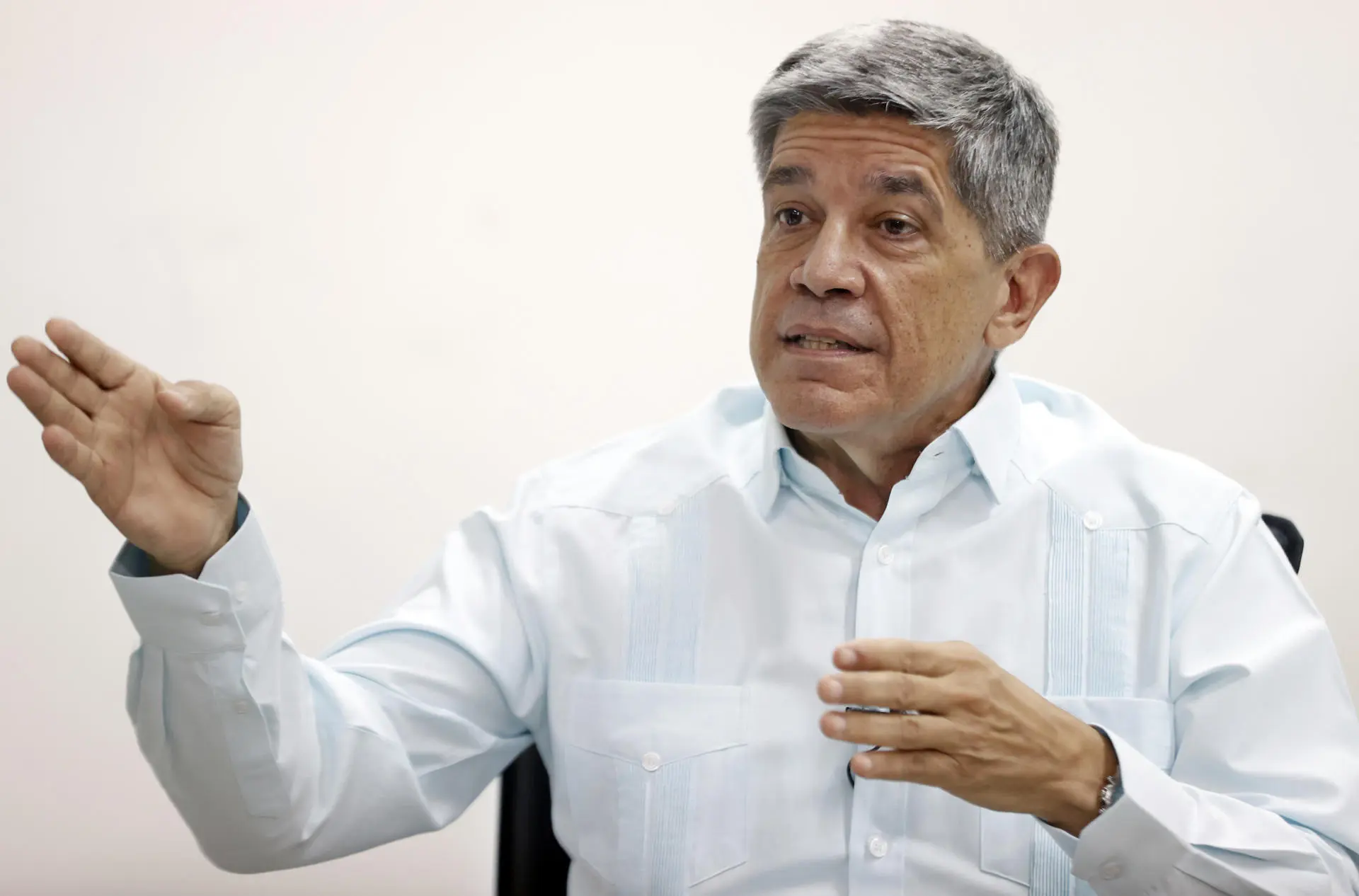
Tehran maintains its firm stance of rejecting the Trump Administration’s demands aimed at halting its uranium enrichment program. Iranian authorities view these demands as infringements on their sovereign rights and a pretext for political pressure rather than genuine security concerns. In response to the ongoing diplomatic impasse, Iranian officials notified Monday the submission of an alternative proposal through the mediation of Pakistan, indicating a continued willingness to engage in dialogue but on terms that uphold their national interests and rights.
For his part, Iranian President Masoud Pezeshkian underscored, through his official account on the social network X, that engaging in dialogue “does not imply surrender.” The Head of State emphatically stressed that Iran conducts dialogue “with dignity and authority” always defending the rights of the nation.
Text reads: “Dialogue does not mean surrender. The Islamic Republic of Iran enters into dialogue with dignity, authority and preserving the rights of the nation, and in no case will it backtrack on the legal rights of the people and the country.”
In this sense, Pezeshkian further assured the international community that Iran “will in no way renounce the legitimate rights of its people and its territory“, reiterating Tehran’s unwavering commitment to its sovereignty and national interests despite external pressures and ongoing threats of military action.
This firm stance from Iran, coupled with Trump’s conditional suspension of the attack, indicates a volatile and unpredictable situation where diplomatic efforts are precariously balanced against the potential for renewed military confrontation, with the Middle East and the global economy hanging in the balance.
Author: Laura V. Mor
Source: Agencies / Truth Social