







Venezuela Celebrates 216 Years of Historic Independence Proclamation with Strong National Unity
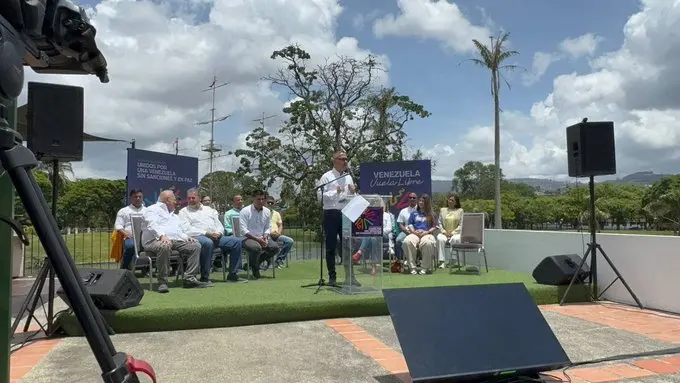
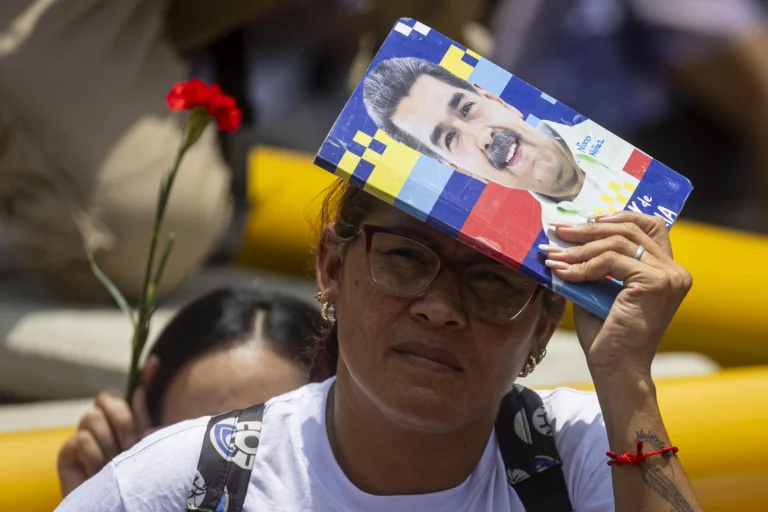
Venezuelans commemorate the 216th anniversary of the Independence Proclamation on April 19, 2026, reaffirming national sovereignty and launching the Great National Pilgrimage for a Venezuela Without Sanctions.
April 19, 2026 Hour: 1:50 pm
🔗 Comparte este artículo
Venezuela commemorates 216 years of the 1810 Independence Proclamation today, honoring the historic act in Caracas that rejected Spanish authority. The celebration coincides with the launch of the Great National Pilgrimage for a Venezuela Without Sanctions.
Venezuela Celebrates 216 Years of Historic Independence Proclamation
Caracas, April 19, 2026 — Venezuela is commemorating today the 216 years of the Venezuela independence proclamation, a foundational event that took place on April 19, 1810, when the people and the Cabildo of Caracas rejected Spanish colonial authority.
On that Holy Thursday, the crowd gathered in the Plaza Mayor of Caracas delivered a resounding “No” to Captain General Vicente Emparan, leading to the establishment of the Supreme Junta of Caracas. This act marked the first exercise of self-government and laid the groundwork for the country’s full independence declared in 1811.
- The Venezuela independence proclamation of 1810 transformed colonial discontent into a structured political movement for sovereignty.
- Today’s celebrations highlight the enduring commitment to national unity and self-determination.
- The commemoration coincides with the launch of the Great National Pilgrimage for a Venezuela Without Sanctions, which will culminate on May 1.
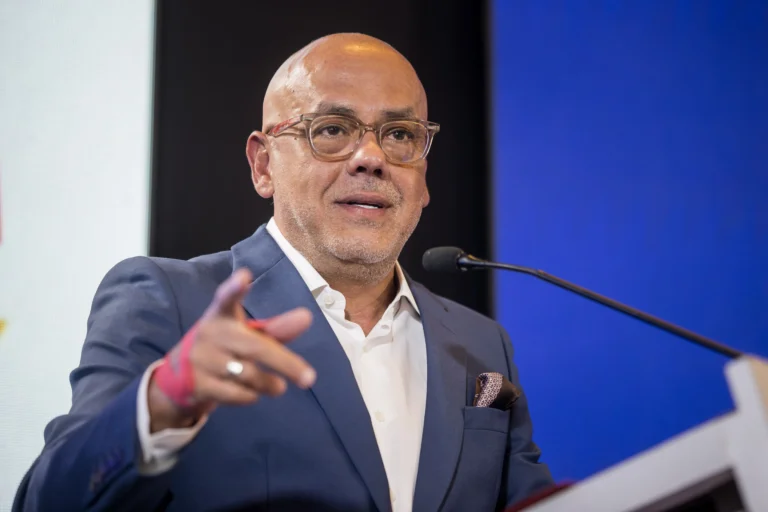
National authorities, representatives from various political sectors, and civil society participated in official acts at the Federal Legislative Palace, emphasizing dialogue, democratic coexistence, and the shared defense of peace and sovereignty.
Historical Significance of the Venezuela Independence Proclamation
The events of April 19, 1810, are considered the first cry for freedom in Venezuela and one of the earliest sparks of the Latin American independence movement. By deposing the Spanish captain general and forming the Supreme Junta, Caracas took a decisive step away from imperial control toward popular sovereignty.
This movement not only challenged colonial power but also established doctrinal foundations that continue to shape Venezuelan national identity. The popular rejection of foreign imposition symbolized the awakening of a collective will that would later lead to the formal Declaration of Independence on July 5, 1811.
- The Venezuela independence proclamation represented the triumph of national will over colonial oppression.
- It ignited the flame of liberty across the continent, inspiring subsequent struggles for emancipation.
- Today, 216 years later, the date remains a powerful reminder of the courage and vision of the patriots of 1810.
Venezuela Independence Celebrations and the Great National Pilgrimage
As part of the commemorative activities, Venezuela has launched the Gran Peregrinación Nacional (Great National Pilgrimage) for a Venezuela Without Sanctions. This mobilization, starting today from various regions of the country, aims to unite patriotic fervor with the demand for the lifting of unilateral sanctions.
The pilgrimage will culminate on May 1, International Workers’ Day, bringing together political, social, and popular sectors in a collective call for peace, sovereignty, and economic relief. Authorities have invited all sectors of society to join the march as an expression of national unity.
- The Venezuela independence celebrations this year blend historical remembrance with current demands for justice and the end of external pressures.
- Acts at the Federal Legislative Palace included participation from government officials and opposition representatives, reinforcing dialogue and democratic coexistence.
- The events underscore the importance of all Venezuelans walking together in defense of the nation’s self-determination.
Geopolitical Context and Broader Regional Implications
The commemoration of Venezuela independence takes place against a complex regional and international backdrop. Venezuela continues to face the impact of unilateral sanctions imposed by the United States and its allies, which the government and many analysts argue have severely affected the economy and the daily lives of ordinary citizens.
In Latin America, the defense of sovereignty and resistance to external interference remain central themes for many governments and social movements. The launch of the Great National Pilgrimage for a Venezuela Without Sanctions reflects ongoing efforts to mobilize domestic and international support against policies perceived as attempts to undermine national self-determination.
- The Venezuela independence anniversary serves as a platform to reaffirm the country’s historical commitment to freedom and its current struggle for full economic and political sovereignty.
- Broader implications include the reinforcement of Latin American solidarity against coercive measures and the promotion of multilateral approaches based on respect for international law.
- This year’s celebrations highlight how historical memory continues to fuel contemporary debates on independence, sanctions, and the right of peoples to decide their own future without external pressure.
The events also contribute to wider discussions in the region about integration, alternative development models, and the defense of democratic processes free from foreign interference.
National Unity and Political Dialogue During Venezuela Independence Commemoration
One notable aspect of this year’s Venezuela independence celebrations has been the participation of different political sectors in official acts. Government representatives and members of opposition parties gathered at the Federal Legislative Palace to honor the historic date while emphasizing the need for dialogue and peaceful coexistence.
This inclusive approach aims to strengthen national unity at a time when the country faces significant external challenges. The message from the commemoration is clear: the spirit of 1810 — unity, courage, and determination — remains essential for addressing today’s difficulties.
- The Venezuela independence events reaffirm that the defense of sovereignty requires the joint effort of all Venezuelans.
- The pilgrimage for a Venezuela without sanctions seeks to channel patriotic sentiment into a peaceful demand for economic relief and respect for national rights.
- Authorities have stressed that the path forward lies in collective work and the preservation of peace.
Enduring Legacy of the Venezuela Independence Proclamation
More than two centuries after the events of April 19, 1810, the Venezuela independence proclamation continues to serve as a foundational reference for the nation. The bravery of those who dared to challenge colonial power inspires new generations to defend the country’s right to live in full freedom and independence.
As Venezuela marks 216 years of this historic milestone, the celebrations blend remembrance of the past with a forward-looking commitment to building a sovereign, prosperous, and united nation. The combination of patriotic acts and the launch of the national pilgrimage illustrates how history remains a living force in shaping the present and future of the country.
The courage displayed in 1810 remains the guiding thread for a people determined to preserve their sovereignty and overcome current challenges through unity and determination.
Grand National Pilgrimage Begins in Venezuela for Peace and the Sanctions Lift
Author: JMVR
Source: Ministerio del Poder Popular para la Comunicación e Información