


W.H.O. Warns Of Rapid Ebola Spread in DR Congo Outbreak Crisis
WHO raises alarm over rapid Ebola spread in DR Congo as deaths surpass 130 and health systems face severe strain.
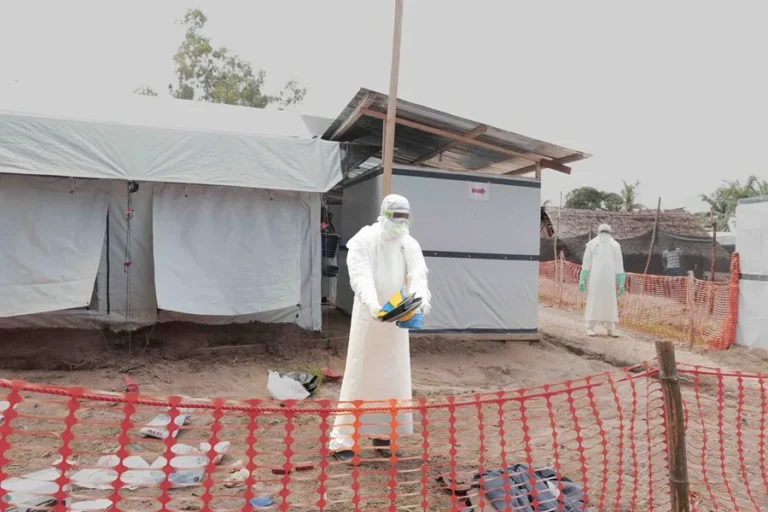
WHO and Congolese health authorities respond to Ebola outbreak in eastern Democratic Republic of the Congo as cases and deaths continue to rise. Photo: AFP
May 20, 2026 Hour: 7:24 am
🔗 Comparte este artículo
WHO chief Tedros expresses deep concern over Ebola’s speed and scale in DR Congo, with 136 deaths reported and suspected cases rising.
The World Health Organization (WHO) has raised concern over the Ebola outbreak in the Democratic Republic of the Congo (DRC), as authorities report more than 130 deaths and hundreds of suspected cases in a rapidly evolving situation.
RELATED: DRC Ebola Outbreak Reaches 131 Deaths as Spread Widens
WHO Director-General Tedros Adhanom Ghebreyesus said he was “deeply concerned about the amplitude and speed of the epidemic” affecting the DRC, a country of more than 100 million people in central Africa. The organization declared an international health alert on Sunday in response to the outbreak.
According to Congo’s Health Minister Samuel Roger Kamba, 136 deaths have been reported as potentially linked to the outbreak, along with around 543 suspected cases. Officials note that only a limited number of laboratory samples have been analyzed so far, with figures largely based on suspected infections.
The epicenter is located in Ituri province in the northeast, near the borders with Uganda and South Sudan. Health officials warn that the virus has already spread beyond the initial area, with suspected cases reported in Butembo and a confirmed case in Goma, a major city in the east under the control of the M23 armed group. Uganda has also reported one case and one death involving individuals who had traveled from the DRC.
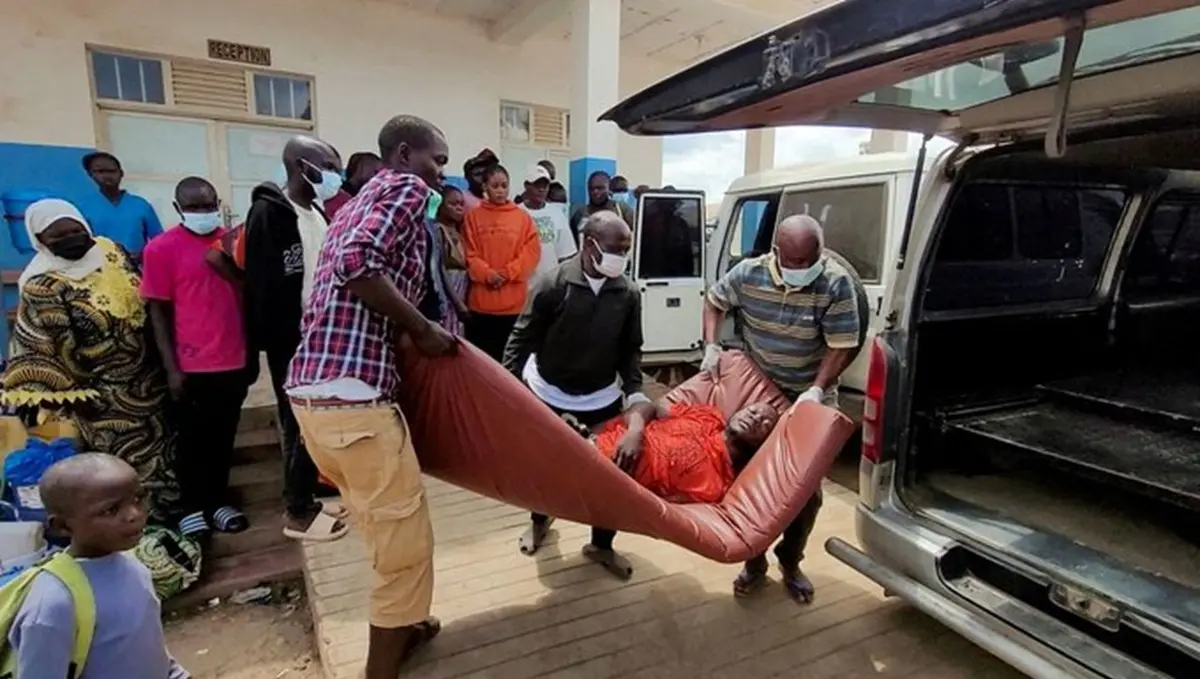
Healthcare and humanitarian workers describe severe strain on local facilities. Médecins Sans Frontières (MSF) reported that hospitals in the region are overwhelmed. One MSF worker said: “We are full of suspected cases. We have no space.” MSF worker Trish Newport added: “This gives you an idea of how crazy the situation is right now.”
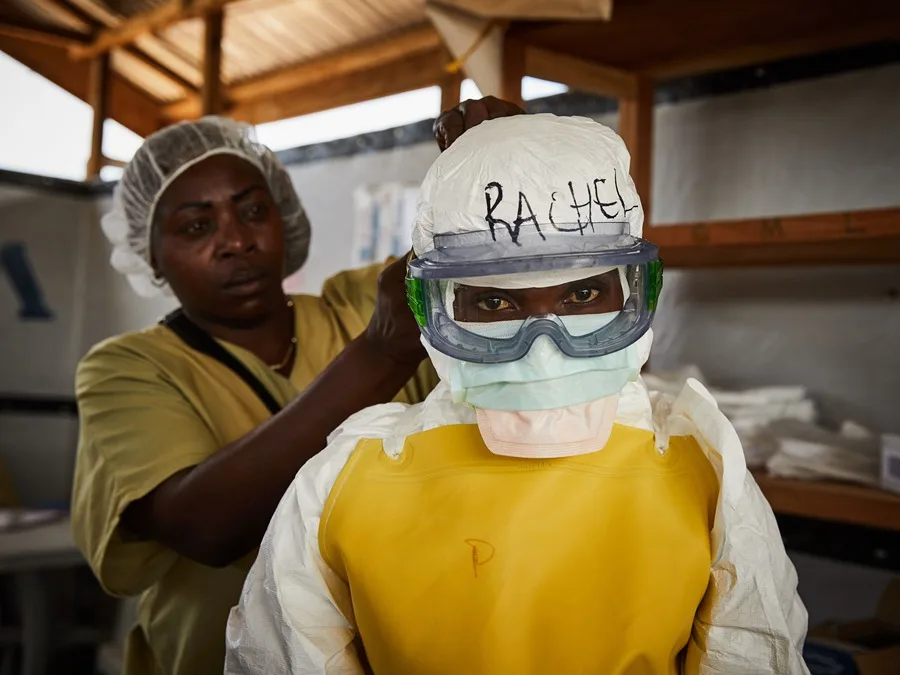
At Rwampara Hospital, a focal point of the outbreak, a plastic tape has been used to separate areas designated for suspected cases. A hospital official said that until Monday there was no proper space to triage and “isolate suspected cases.” Local health workers report severe shortages of protective equipment, with one saying: “We dug graves and buried the dead without gloves or any protection. We are very exposed.”
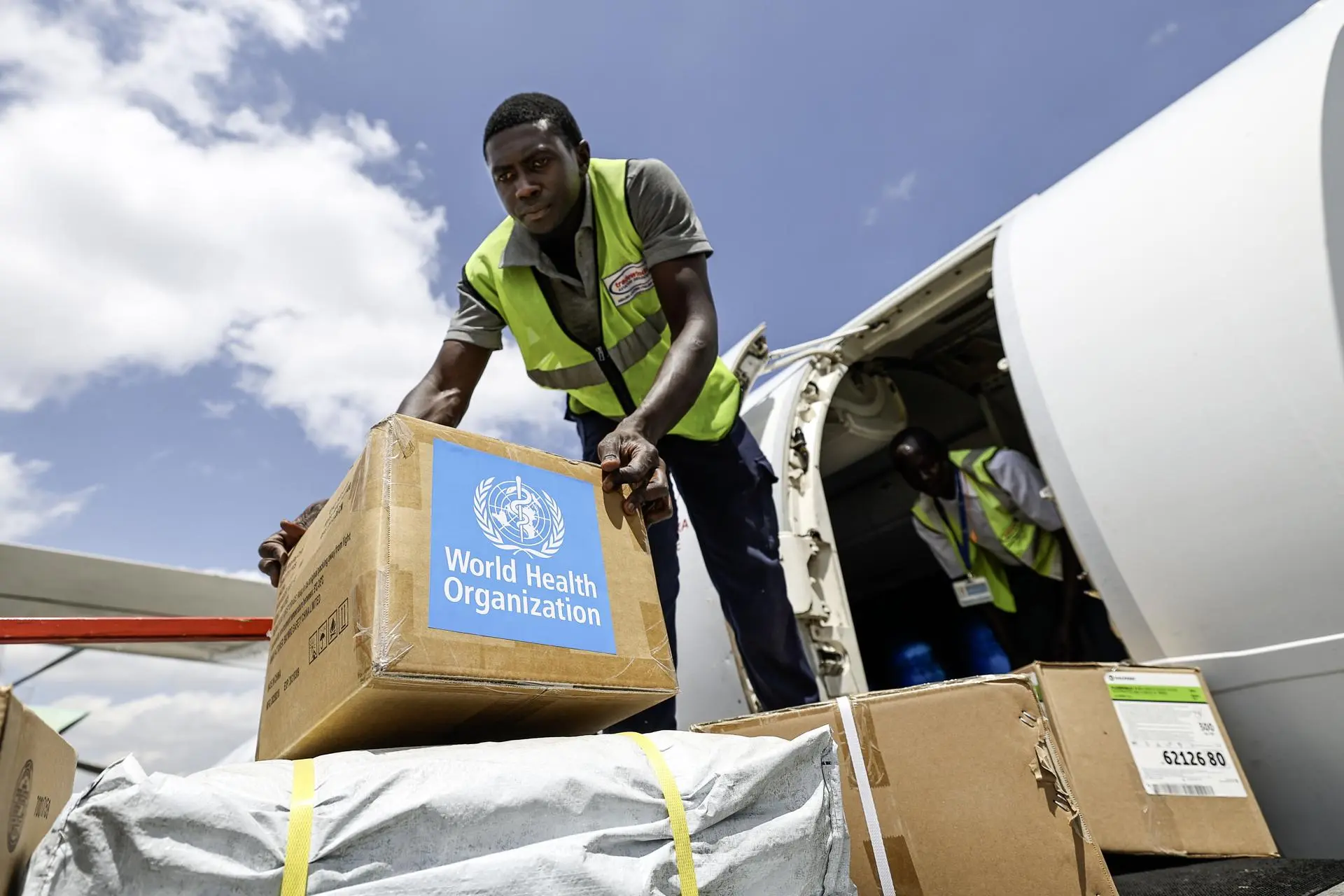
WHO representative in the DRC Anne Ancia said she does not expect the outbreak to end within two months, recalling that a previous epidemic lasted two years. She added: “The amplitude of the epidemic will depend on the speed of our response.” The WHO has sent supplies, including testing kits and protective equipment, to support containment efforts.
The Ebola strain involved, Bundibugyo, has no specific vaccine or treatment currently available, although WHO said it is assessing possible medical countermeasures. The virus spreads through direct contact and is considered less contagious than airborne diseases such as COVID-19 or measles, but it has a high mortality rate.
Authorities are attempting to trace contacts, isolate suspected cases, and reinforce public health measures. Congolese President Félix Tshisekedi has urged the population to remain calm and said all necessary measures will be deployed.
U.S. criticizes WHO
U.S. Secretary of State Marco Rubio criticized the WHO response, saying it had “reacted a bit late,” as Washington has recently withdrawn from the agency. The United States has introduced health screening for travelers arriving from affected countries and temporarily restricted visa issuance for those who have visited them. Bahrain has imposed a 30-day entry ban on travelers from the DRC, South Sudan, and Uganda. Germany announced it will receive and treat a U.S. doctor infected with Ebola in the DRC.
The outbreak continues to evolve amid limited healthcare capacity, population movement linked to mining activity in Ituri, and growing international concern over containment efforts.
Author: MK
Source: Agencies