


FIFA World Cup 2026: No Immigration Raids in U.S. Stadiums
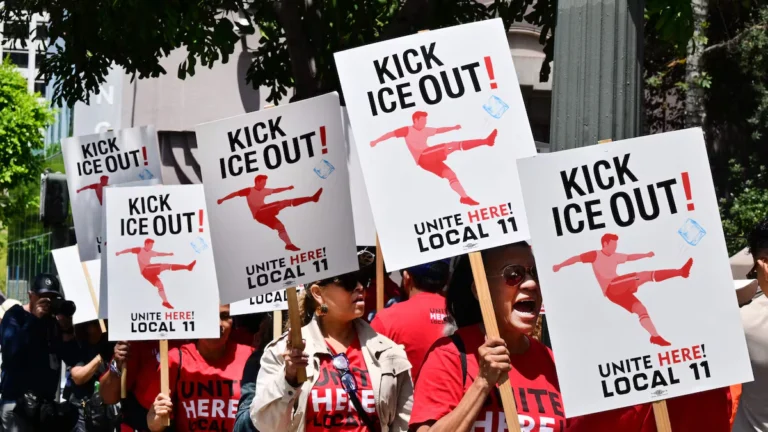
The organizing committee assures that the World Cup will not be used as a platform for mass raids and arrests, although The issue remains concerning after months of repression against migrants and mass deportations. Photo: AS.
May 8, 2026 Hour: 6:35 pm
🔗 Comparte este artículo
Organizers of the FIFA World Cup 2026 on May 8 guaranteed no immigration raids at stadiums, aiming to reassure international and migrant communities amid concerns over U.S. immigration policies.
This assurance, stemming from discussions with Secretary of State Marco Rubio, seeks to confirm that the global event will not be used as a platform for immigration control, a critical point of concern for international attendees and Human Rights advocates alike.
Rodney Barreto, a Miami organizing Committee Director, provided this pivotal clarification, aiming to separate event security from broader immigration enforcement policies.
RELATED: China, India Resist FIFA’s Economic Demands for World Cup 2026 Streaming
The statement directly addresses apprehension among international fans regarding potential immigration operations, particularly in light of months of intensified repression against migrants and large-scale deportations across the United States.
While ICE Director Todd Lyons indicated that agency operations would continue as part of national security protocols to protect attendees, the persistent unease necessitated an explicit commitment from World Cup organizers to prohibit such actions during the event. This dual messaging highlights the complex balance between national security objectives and the imperative to ensure a welcoming environment for a global sporting spectacle, especially given the history of immigration enforcement in the host nation.
To execute this unprecedented tournament, the United States administration has allocated a substantial $625 million in federal resources. This significant investment is primarily focused on enhancing surveillance and logistical support across the 11 host cities within the country.
Organizers explicitly emphasize that these measures are designed to safeguard the integrity of all participants, rather than to target or pursue visitors based on their immigration status. This approach aims to distinctly separate the functions of intelligence gathering and event security from routine border control policies, thereby fostering a climate of trust for all international attendees and delegations expected for the quadrennial event.
In addition to bolstering security infrastructure, the U.S. federal Government is actively addressing several other key operational aspects essential for the World Cup‘s success. These initiatives include prioritizing the processing of passports and visas for players, technical staff and accredited personnel, ensuring smooth and timely entry into the country. Furthermore, strategies are being developed to manage and streamline the flow of tourists at various entry points, with the objective of preventing unnecessary delays and enhancing the overall visitor experience.
Crucially, extensive international coordination is underway, involving collaborative efforts with authorities from Mexico and Canada, the co-hosting nations for the 2026 FIFA World Cup, to ensure seamless cross-border logistics and security arrangements for all stakeholders involved in this tripartite event.
Restrictions For Foreign Fans
Despite these reassurances and logistical preparations, the path to the expanded 48-team World Cup still presents significant barriers for some international fans.
Currently, four of the qualified federations face existing travel restrictions to the United States, which complicates the participation of their official delegations and supporters. This issue underscores broader geopolitical tensions that could impact the universality of the tournament.
Moreover, reports suggest that certain fans might be required to post visa bonds of up to $15,000 to gain entry into the country. This financial requirement has ignited considerable debate regarding the economic accessibility of the event, raising questions about whether such measures could inadvertently exclude fans from less affluent nations, thereby undermining the inclusive spirit of global football.
The 2026 edition will mark a historic milestone, being the first in history to feature three host countries and an expanded format, presenting unparalleled logistical challenges. The declared priority of local authorities is to ensure that the operational logistics are commensurate with the scale of this challenge. This commitment includes maintaining a secure environment that does not deter international tourism due to concerns over immigration status, a critical factor for the economic success and global appeal of the event.
Author: Laura V. Mor
Source: Agencies / FIFA